

The South Bay region of Los Angeles County stretches along the Pacific Ocean, offering several distinct coastal markets for home buyers. Two of the most prominent options are El Segundo, CA and Redondo Beach, CA, which sit just a few miles apart but present different neighborhood layouts and market dynamics. Consulting the best real estate agent in El Segundo, CA helps buyers compare these communities.
Buyers looking in this area typically weigh factors like proximity to Los Angeles International Airport, local housing costs, and commute times to Downtown Los Angeles. Both municipalities provide immediate access to the water, yet they differ in inventory size, property tax structures, and commercial amenities.
2026 Home Prices and Market Inventory
As of mid-2026, the median sale price for a home in El Segundo sits at roughly $1,307,500. Available homes in this market move quickly, spending an average of just 8 days on the market before going under contract. Inventory here remains relatively tight, with around 36 active listings at any given time, and buyers frequently pay above the asking price to secure a property.
Redondo Beach presents a larger market with a wider pricing spread. The overall median home price hovers around $1.6 million, but that number splits sharply depending on the neighborhood. Properties in South Redondo often exceed $1.8 million due to their proximity to the water, while homes in North Redondo average closer to $1.5 million.
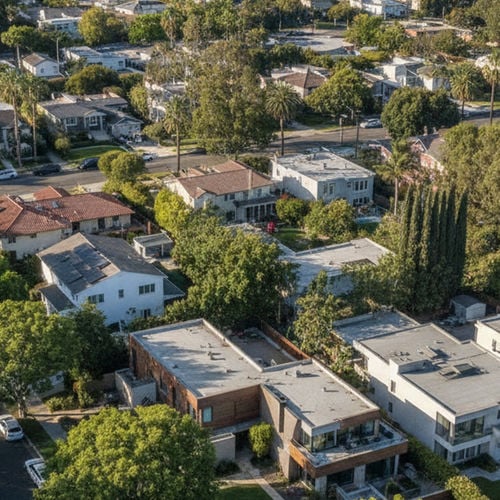
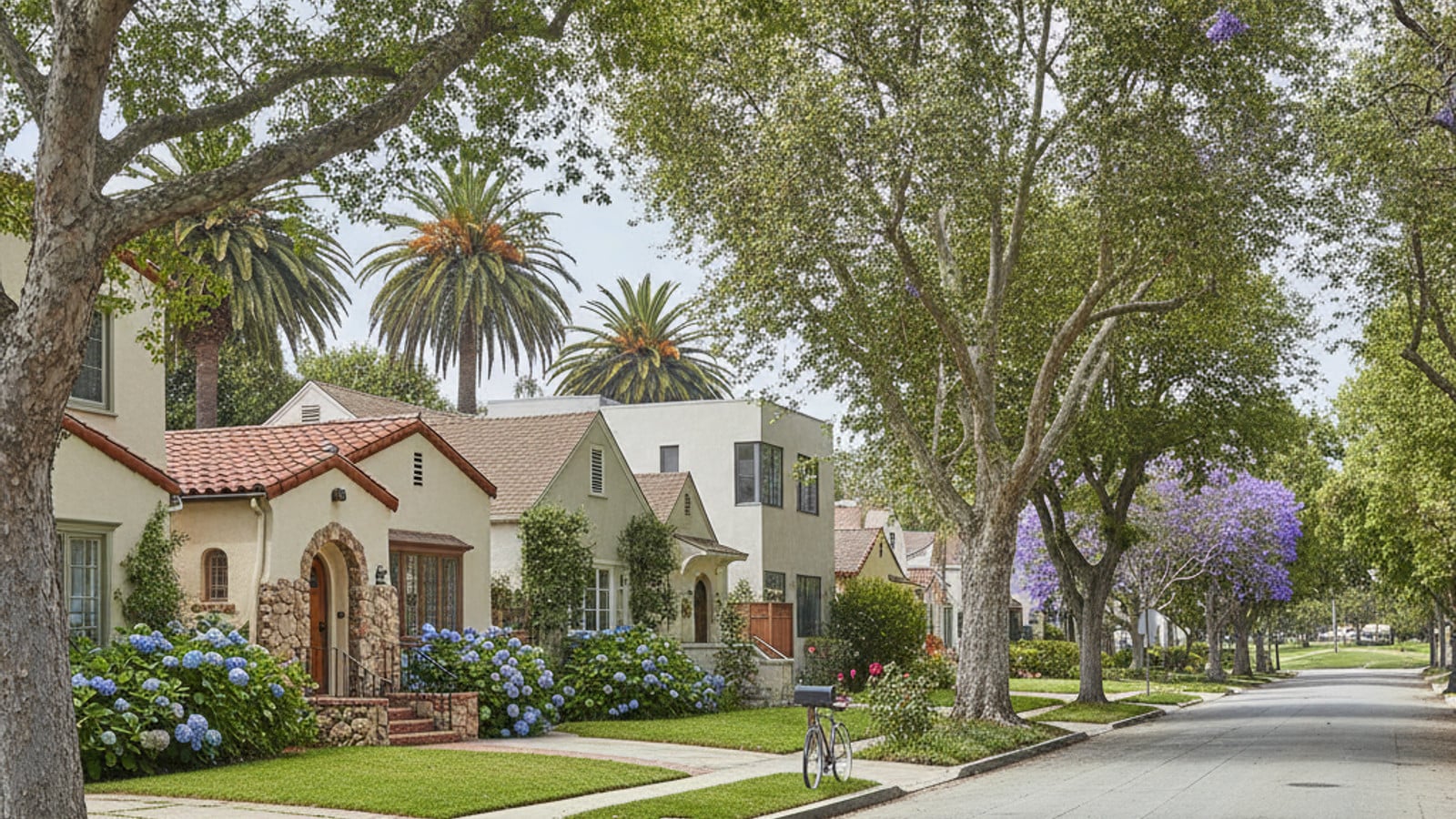
The housing types available also contrast between the two cities. El Segundo primarily offers traditional single-family homes on gridded streets, alongside a smaller selection of townhouses. Redondo Beach provides a broader mix of single-family properties, large condominium complexes near the harbor, and tall-and-skinny townhomes that maximize lot space.
Property Taxes and Ownership Costs
Base property taxes in California are governed by state law, but local assessments and transfer fees change the math for buyers in different cities. In El Segundo, homeowners pay an average effective property tax rate of around 1.13%. This rate applies to the assessed value of the home at the time of purchase, plus smaller municipal bond measures.
Redondo Beach carries a slightly higher average effective property tax rate, typically landing between 1.19% and 1.25%. Over the course of a 30-year mortgage, that fractional difference adds up to thousands of dollars in carrying costs. Buyers budgeting for a purchase here should factor this higher annual expense into their monthly payment calculations.
Closing costs also differ due to local transfer taxes. Redondo Beach charges a city documentary transfer tax of $2.20 per $1,000 of the sale price. On a typical $1.6 million home, that adds $3,520 to the closing table, whereas El Segundo does not impose a city-level transfer tax beyond the standard Los Angeles County rate.
Commute Times and Transportation Options
El Segundo shares its northern border directly with Los Angeles International Airport. For frequent travelers, the drive from a residential street in El Segundo to the LAX terminals takes roughly 5 to 15 minutes, depending on traffic lights and terminal congestion. This immediate proximity makes the city a common choice for airline employees and corporate travelers.
Redondo Beach sits about 8 to 9 miles south of the airport. Driving to LAX from South Redondo typically requires 20 to 30 minutes via the Pacific Coast Highway or Sepulveda Boulevard. The trade-off for this longer drive is a greater physical separation from the flight paths and airport-related commercial traffic.
Commuting to Downtown Los Angeles introduces different transit patterns. The Commuter Express 438 bus route takes about 43 minutes from El Segundo, compared to roughly 68 minutes from Redondo Beach. Both cities also offer access to the LA Metro C Line, which connects the South Bay to the broader Los Angeles rail network.
School District Boundaries and Facilities
The El Segundo Unified School District operates 6 schools and serves an enrollment of approximately 3,400 students. The district boundaries align closely with the city limits, meaning most residential addresses fall within the same educational system. The smaller footprint results in a consolidated campus layout, with the high school centrally located near the main commercial district.
The Redondo Beach Unified School District is larger, managing 14 schools that serve around 9,500 students. This includes eight separate elementary campuses spread across the North and South Redondo neighborhoods. The larger enrollment translates to bigger facilities and a wider geographic spread for student assignments.
Buyers should verify specific neighborhood zoning before making an offer on a property. While both cities operate independent unified districts, boundary lines occasionally cut through specific streets near the municipal borders. Checking the exact address against the current district maps ensures the property aligns with the expected school assignment.
Parks, Beaches, and Commercial Areas
El Segundo features a concentrated downtown area along Main Street, lined with local restaurants, retail shops, and commercial services. Recreation Park serves as the primary outdoor gathering space in the center of town, offering sports fields and community facilities. El Segundo Beach provides public ocean access, though it is bordered by industrial facilities to the north and south.
Redondo Beach offers a more extensive coastal infrastructure, centered around King Harbor and the Redondo Beach Pier. Veterans Park sits just south of the pier, providing open green space directly overlooking the Pacific Ocean. The city's waterfront includes a large marina, commercial dining over the water, and wide stretches of sand.
The southern end of Redondo Beach transitions into Riviera Village, a walkable commercial district with a dense collection of cafes, boutiques, and professional offices. Both cities connect to the Marvin Braude Bike Trail, a 22-mile paved path that allows cyclists and pedestrians to travel the coastline from the South Bay up to Pacific Palisades.
Frequently Asked Questions
How do projected 2026 median home prices and housing inventory compare between El Segundo and Redondo Beach?
El Segundo homes sell for a median of around $1,307,500 with very limited inventory, often closing in just over a week. Redondo Beach has a higher overall median near $1.6 million and a larger supply of homes, including many townhouses and harbor-front condos.
Are property taxes and overall homeownership costs lower in El Segundo, CA or Redondo Beach?
El Segundo generally offers lower carrying costs due to a municipal property tax rate of roughly 1.13% and no city-level transfer tax. Redondo Beach buyers face a slightly higher tax rate of up to 1.25%, plus a local transfer fee of $2.20 per $1,000 at closing.
Which city is closer to Los Angeles International Airport and offers better daily commute times?
El Segundo borders LAX directly, allowing residents to reach the terminals in under 15 minutes. Redondo Beach is several miles further south, extending the airport drive to about 30 minutes and adding roughly 25 minutes to a downtown bus commute.
Do both El Segundo and Redondo Beach have their own independent school districts?
Yes, each municipality operates a separate unified school district. El Segundo manages a smaller system of six schools, while Redondo Beach runs 14 campuses to accommodate its larger geographic area.
Is it more expensive to buy a home in El Segundo, CA compared to North or South Redondo Beach?
South Redondo is typically the most expensive option, with median prices often exceeding $1.8 million. El Segundo, with a median around $1.3 million, is generally more affordable than both South Redondo and the $1.5 million median found in North Redondo.
What are the main differences in beach access and commercial amenities when choosing El Segundo versus Redondo Beach?
Redondo Beach features expansive tourist and commercial infrastructure, including a large marina, a public pier, and the Riviera Village shopping district. El Segundo offers a quieter, localized Main Street and a smaller public beach tucked between industrial zones.
Check out this article next