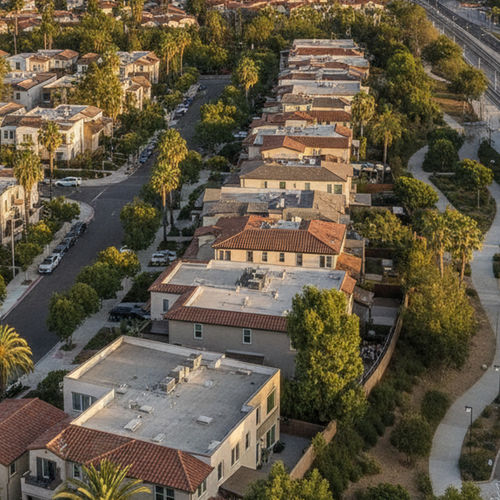


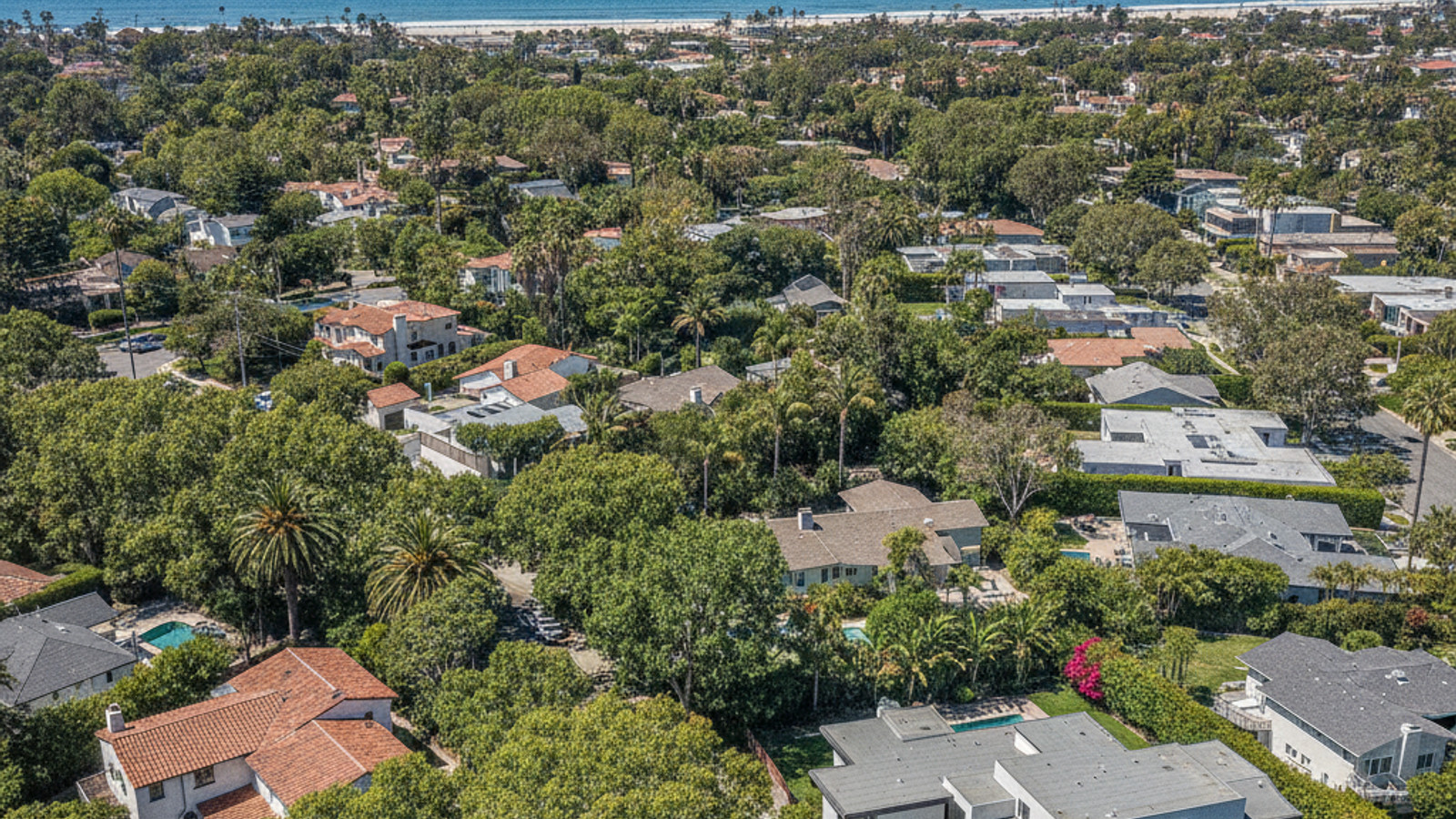
El Segundo sits directly on the Santa Monica Bay, giving it a classic Mediterranean coastal climate. Ocean breezes keep temperatures moderate throughout the year, preventing the extreme heat often felt just a few miles inland. If you are looking to relocate, consulting the best real estate agent in El Segundo, CA can help you find a home suited to this environment.
Buyers looking at homes in this South Bay community often prioritize outdoor living spaces to take advantage of these conditions. With the local median sale price sitting around $1.3 million, properties that seamlessly blend indoor and outdoor environments move fast. Homes here spend roughly 8 days on the market and often sell for around 107% of their asking price, so buyers paying top dollar expect features suited to the climate.
Year-Round Temperature Patterns
Summer high temperatures in El Segundo average around 74 to 75 degrees in August. Meanwhile, winter lows dip to about 50 degrees during December and January.
These narrow temperature ranges define the local Mediterranean climate. The Pacific Ocean acts as a natural temperature regulator for the immediate coastline. Extreme heat waves and freezing conditions rarely reach this stretch of the South Bay.
People living in El Segundo experience comfortable weather for most of the year. The consistent coastal breeze means that even on warmer summer days, the air feels cooler than in neighboring inland cities. Buyers relocating from regions with harsh winters often find this mild environment appealing.
Rainfall and the Coastal Marine Layer
El Segundo receives roughly 13 to 14 inches of precipitation annually. The vast majority of this rain falls between November and March.
During late spring and early summer, the area experiences a coastal marine layer effect known locally as "May Gray" and "June Gloom." This weather pattern brings morning fog and thick cloud cover directly off the ocean. The clouds typically burn off by early afternoon, leaving clear, sunny skies.
This moisture-rich marine layer keeps the local environment cooler and less dry than inland California locations. Homeowners should plan for slightly higher coastal humidity during these morning hours. By the time the afternoon rolls around, the ocean breeze usually clears the air completely.
How the Coastal Environment Affects Local Properties
With local inventory hovering around 36 available homes this summer, buyers frequently prioritize properties with functional outdoor spaces. Upgraded patios, decks, and outdoor kitchens add usable square footage to a property.
The coastal climate directly influences how these homes are built and maintained. Homeowners adapt their properties to leverage the ocean air while protecting against salt and moisture.
- Natural ventilation: Ocean breezes flow through open windows, reducing the need for heavy HVAC systems compared to inland homes.
- Energy efficiency: Upgraded windows help manage coastal humidity and keep indoor temperatures stable year-round.
- Exterior wear: Properties closer to the water require regular maintenance to protect paint and metal fixtures from salt air corrosion.
Outdoor Recreation and Beach Access
El Segundo Beach offers a wide stretch of sand for year-round recreation. The beach features fire pits and volleyball courts that see steady use throughout the seasons.
Mild temperatures allow residents to utilize local parks like Recreation Park all year long. Clear weather days provide optimal conditions for community sports leagues, tennis, and outdoor gatherings. The lack of severe winter weather means these facilities rarely close due to seasonal conditions.
Cyclists and joggers frequently use the South Bay Bicycle Trail, which runs directly along the coastline. This paved path connects El Segundo to neighboring beach cities, offering a scenic route with direct ocean breezes. The consistent weather makes this trail a reliable option for daily exercise.
Daily Commutes and Regional Travel
Commuting from El Segundo to other South Bay employment centers keeps drivers close to the coast. This route allows commuters to avoid the intense heat of inland traffic corridors.
Coastal fog associated with the marine layer occasionally lowers morning visibility on local roads. Drivers should account for slightly slower travel times during late spring mornings when the fog is thickest. Once the sun breaks through, road conditions return to normal.
The city's proximity to Los Angeles International Airport is a major convenience for frequent travelers. When planning regional trips during the winter rainy season, residents should check local weather radar to anticipate delays. The generally clear skies keep airport access straightforward for most of the year.
Frequently Asked Questions
What are the average monthly temperatures in El Segundo, CA?
Summer highs typically reach the mid-70s, particularly in August. Winter lows dip down to about 50 degrees in December and January.
Is El Segundo, CA usually sunny?
Yes, the area enjoys abundant sunshine for most of the year. The main exception is the late spring marine layer, which brings morning clouds that usually clear up by the afternoon.
Does El Segundo get a lot of rain or snow?
The city receives about 13 to 14 inches of rain annually, mostly between November and March. Snow does not fall in this coastal climate.
Is El Segundo a good place to live for outdoor enthusiasts?
The mild year-round weather makes it a great place to live for outdoor enthusiasts. Residents have direct access to the South Bay Bicycle Trail, El Segundo Beach, and numerous community parks.
Do homes in El Segundo typically require central air conditioning?
Many older homes rely on natural ocean breezes for cooling rather than central air. However, buyers paying the current $1.3 million median price often expect modern HVAC systems for the occasional warm day.
How does the coastal marine layer affect morning commutes in El Segundo?
The marine layer can create thick morning fog during May and June, reducing visibility on local streets. Drivers should allow a few extra minutes for their commute until the fog burns off around midday.
What kind of weather-related exterior maintenance should El Segundo homeowners expect?
The proximity to the ocean introduces salt air, which can accelerate wear on exterior paint and metal fixtures. Homeowners should plan to wash windows frequently and inspect exterior hardware for corrosion.
Check out this article next