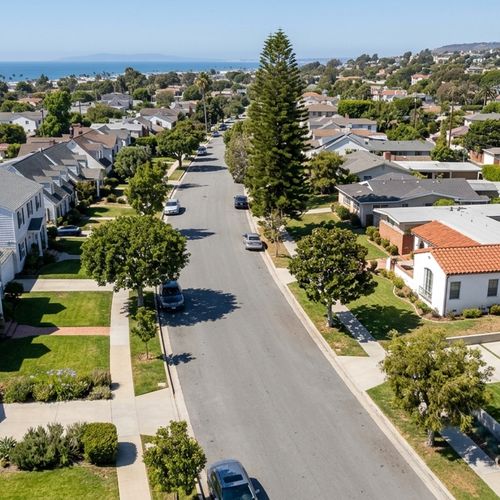


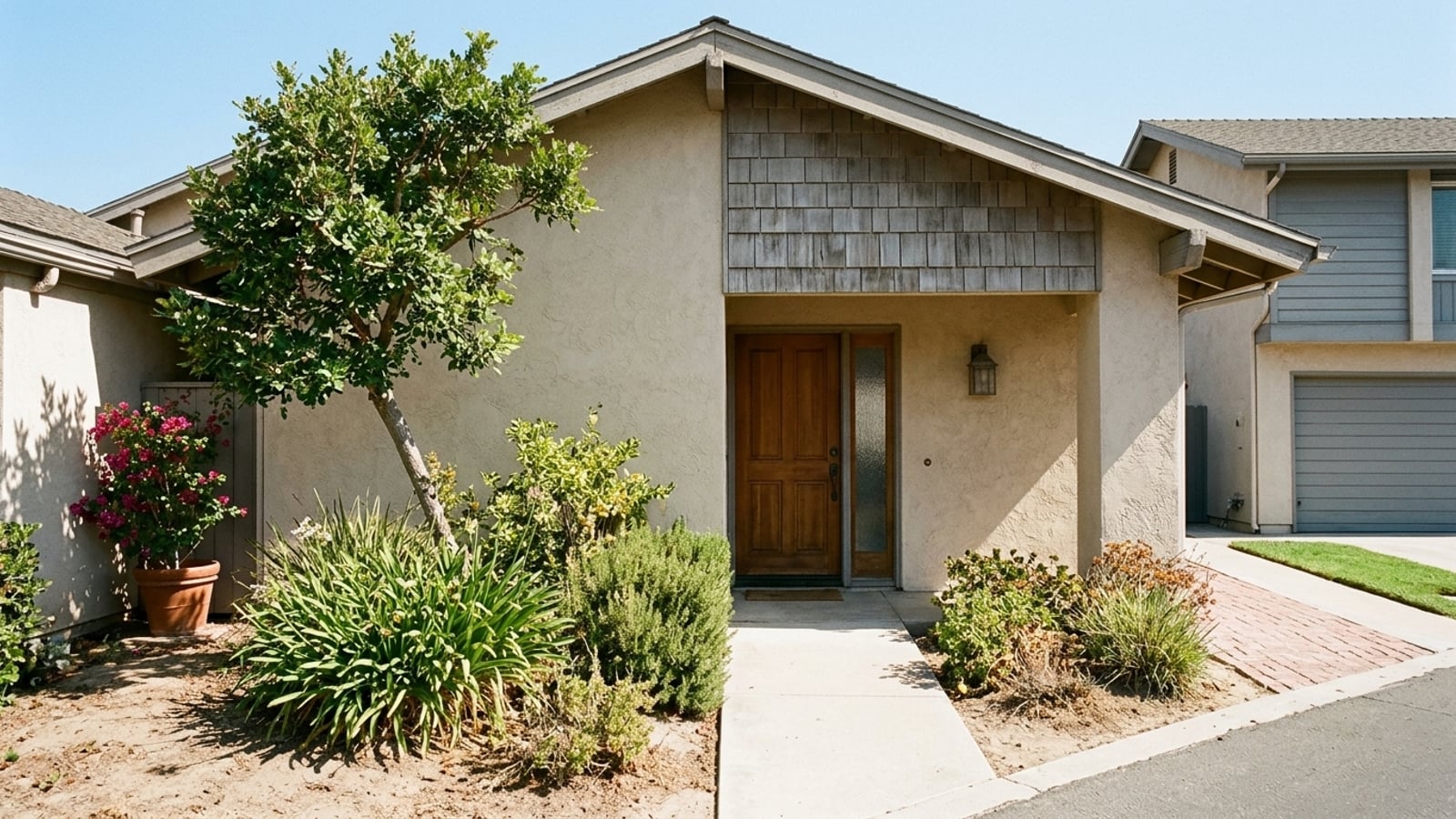
In Manhattan Beach, retiring usually means downsizing within the city rather than moving into a retirement community. The current market favors that swap. Single-family homes are up sharply year over year and sell above list price, while townhouses fell and take a median 76 days to sell (based on just 16 sales).
A house seller can sell into strength and buy with room to negotiate. The catch is that only four townhouses were for sale, and a townhouse costs just 5% less per square foot than a single-family home. The savings come from buying less space, not a cheaper price per foot.
Key takeaway
Manhattan Beach has very little purpose-built retirement housing. Residents retiring here typically downsize within the city or choose licensed assisted living nearby. The swap currently favors downsizers, as townhouse prices fell sharply over the past year (based on 16 sales) while houses kept rising, giving a house seller room to negotiate on the next home. If you need daily care on site, skip the purchase and start with the state's licensed facility search.
Who this guide is for
You own or are considering a home in Manhattan Beach and are deciding whether to downsize within the city, adapt the home you have, or move into senior living as you plan for retirement.
What retirement housing exists in Manhattan Beach?
Purpose-built retirement housing is scarce within the city limits. The realistic choices for residents are licensed care facilities or a downsize into a smaller home within Manhattan Beach.
When you start searching for senior living, national directories often pull in properties from miles away. It pays to understand what housing types operate inside the city before you plan a move.
Age-restricted 55+ communities
The city's Housing Element and local listings show no confirmed age-restricted for-sale or rental communities inside Manhattan Beach. If you want a 55+ community, you'll need to look in other South Bay cities, and choosing one means leaving Manhattan Beach's beach neighborhoods altogether.
Independent living
Independent living offers private apartments with shared meals and social activities, but no medical care. A major senior-living directory's "Manhattan Beach" independent living list includes communities in Simi Valley and Rancho Cucamonga, both well over an hour inland. Independent living near the coast is scarce, so a nearby listing may mean a long drive from the friends and routines you have here.
Assisted living and memory care
Licensed residential care facilities for the elderly (RCFEs) are the main in-city senior-care option. You can search the California Department of Social Services public Care Facility Search tool to verify any facility's status and inspection history. Small residential care homes may have very few beds, so check current license status, capacity, and inspection reports before you get attached to one.
The Sunrise Senior Living project
A Sunrise Senior Living Manhattan Beach project went through California's environmental review process. The official record shows the project involves a proposed 95-room assisted living and memory care facility at 250-400 North Sepulveda Boulevard, which requires approval from the City of Manhattan Beach Planning Commission. A planning filing is not an opening date. Confirm the timeline with the city before counting on it.
Continuing care retirement communities
A continuing care retirement community (CCRC) provides housing along with a contract for future care as your needs change. The California Department of Social Services maintains a list of licensed CCRCs, which includes places like the Los Angeles Jewish Home for the Aging in the county. CCRCs usually require a large entrance fee, so ask for the contract and the refund terms in writing before you start comparing options.
Senior apartments and affordable housing
The city's Housing Element identifies the Manhattan Village Senior Villas development: 104 senior housing apartments with a portion reserved for very low-, low-, and moderate-income households. Income-restricted senior units often have waitlists. Ask how long the current list is before you plan around one.
Is downsizing within Manhattan Beach the better move?
Property-type data favors selling a house and buying a townhouse right now. Selling a single-family home means listing into a market where prices are rising, while buying a townhouse offers a chance to negotiate.
The financial benefit depends entirely on the specific homes involved. Townhouses cost slightly less per square foot, so the bulk of the cash you free up comes from simply buying a smaller place.
Selling a single-family home in a strong market
Single-family homes in Manhattan Beach rose 11.7% year over year and sell at a sale-to-list ratio above list price. You can price close to market without expecting to cut. You're also buying in the same expensive city, your gains only help if the next home costs meaningfully less than the one you sell. Review the process of selling a home in town to compare a cash offer.
Buying a townhouse with room to negotiate
Manhattan Beach townhouses take a median 76 days to sell, more than twice as long as houses. Sellers may accept terms or price concessions, which gives you room to negotiate. Only four townhouses were on the market during this period, so your negotiating position on price comes with very little choice. Plan to wait for the right floor plan.
Why a townhouse saves less than you might expect
A Manhattan Beach townhouse costs only about 5% less per square foot than a house ($1,505 versus $1,588). The savings from downsizing come mostly from buying less space. If you want to keep most of your current square footage, a townhouse may free up far less money than the medians suggest.
The swap in practice
Selling at the single-family median of $3,908,442 and buying at the townhouse median of $2,881,284 leaves a gap of about $1,027,158 before selling costs, closing costs, moving, and taxes. Commissions, transfer taxes, closing costs, and any capital gains come out of that gap. Get a net sheet from an escrow officer before treating the number as real. We can help you run the numbers for your specific property and look at current buying options.
Keeping your property tax base under Prop 19
Under Prop 19, homeowners 55 and older can transfer their assessed property tax base to a replacement home anywhere in California up to three times. The state sets the value limits and timeframes for these transfers. The rule has deadlines and value limits, and the claim must be filed with the county assessor. Missing a step can mean paying tax on the full new price.
Capital gains on a long-held home
If you have a capital gain from the sale of your main home, you may qualify to exclude up to $250,000 of that gain from your income, or up to $500,000 if you file a joint return with your spouse. Long-held Manhattan Beach homes can easily have gains above these limits. Gains above the exclusion are taxable, which can shrink the swap's cash benefit. Talk to a tax professional before you list.
Which neighborhoods work for a lower-maintenance retirement?
Finding the right neighborhood for retirement comes down to walkability, terrain, and the type of housing available. Each section of the city offers a different mix of these features for someone planning to age in place.
Neighborhood-level figures are not tracked separately, so the best way to compare these areas is by walking them yourself. You can review our neighborhood comparison guide for more details on each area.
Sand Section
The Sand Section places you close to downtown and the pier, making it the most walkable choice. Many Sand Section homes front pedestrian-only walk streets, so cars can't pull up to the front door. That means rides, deliveries, and any future medical transport stop at the end of the block, and many homes are multi-story. Easy access without stairs is what you give up.
Manhattan Village
Manhattan Village sits near the Manhattan Village shopping center. You can check listings here for attached homes and condos, which may suit a lock-and-leave retirement. Attached homes come with HOA dues and rules, so ask the HOA for current dues, reserves, and any planned special assessments before making an offer.
Tree Section
The Tree Section offers a residential area away from beach traffic. Filter for single-story homes here if stairs are a concern. It's farther from the pier and downtown, so check the walking distance to your daily errands before assuming you can give up a car.
Hill Section
The Hill Section features elevation and views between the Sand and Tree sections. Terrain is the deciding factor for aging in place. Sloped streets that are fine today can make walking harder later, so walk your route to the beach and back before you buy.
East Manhattan Beach
East Manhattan Beach sits east of Sepulveda Boulevard. You can compare this area against the beach sections by having an agent pull recent sales. Most errands are a drive from here, and you'll want to think through what that means if driving becomes harder later.
What to check before buying a home to retire in
Aging in place requires a home that can adapt to your needs over the next decade. Finding that home means turning broad concerns into specific things you can measure or ask about during a tour.
A house that looks perfect on paper can hide practical problems for a lower-maintenance lifestyle. Run through these checks before making an offer.
Stairs and single-level living
Many coastal homes stack living space over several floors. Count the stairs from the garage or street to the main bedroom and bath in any home you tour, and look for a ground-floor bedroom and bath. Single-level homes may be a small share of what's for sale at any time, and ruling out stairs narrows an already thin townhouse supply.
HOA dues and what they cover
For townhouses and condos, ask the HOA for current dues, what they cover, the latest reserve study, and any planned special assessments. Dues can rise and special assessments can arrive with little warning, which matters if you're on a fixed income.
Walking distance to daily errands
Map the walk to groceries, the pharmacy, and the beach path, and do it at the time of day you'd normally go. Parking and summer crowds near the beach can make short car trips harder than the map suggests, so check how much parking each home includes.
Distance to hospitals and medical care
Time the drive to your doctors and the nearest hospital at rush hour. Traffic on Sepulveda and the 405 can stretch a short distance into a long drive.
Room for an accessory dwelling unit
An ADU can house a caregiver or family member later. The city permits ADUs meeting state requirements in areas zoned for single-family or multi-family residential use, and Junior ADUs in single-family zoned areas. Lot size, setbacks, and permitting time vary, so confirm ADU eligibility for a specific lot with the city before buying with ADU plans in mind.
Staying in your home vs. moving to senior living
Buying a smaller home isn't the only way to retire in Manhattan Beach. You can also adapt the house you already own, move into a care facility, or rent.
Each path changes your daily routine and your financial picture. Compare these options against the costs of a downsize.
Aging in place in your current home
Home modifications combined with local support services can make staying put workable. The Beach Cities Health District provides a Care Management program for older adults that can help. A multi-story house can need costly changes such as stair lifts or a ground-floor suite, so get a contractor quote before ruling out a move.
Moving to a care community nearby
Moving to a facility brings on-site care, meals, and social life, but you give up equity growth and space. Monthly fees typically rise as care needs increase, so ask for the fee schedule by care level, not just the starting rate. Ask each care community for its history of increases, too.
Renting after you sell
Selling and renting frees up equity and removes maintenance. Compare current rental listings against your expected HOA, insurance, and tax costs. Renting gives up Prop 19 tax-base benefits and leaves you exposed to rent increases and a landlord's decision to sell.
How to narrow your options
Deciding where to live in retirement means making trade-offs between care, cash, and location. A few specific questions can point you toward the right path.
Use these questions to cut down your list and focus on the housing types that fit your plans.
Do you need daily care now or soon?
If yes, go to the section on what retirement housing exists in Manhattan Beach and use the state facility license lookup. If no, the downsizing section is your main path. Care needs can change faster than a home purchase closes, so check that any home you buy could take in-home help later.
Are you selling a house to pay for the move?
If yes, read the swap in practice and the Prop 19 section before you list. Selling first may leave you without a home while you wait for one of the few townhouse listings, so plan a bridge rental or timeline.
Is walking and avoiding stairs non-negotiable?
If yes, compare the Sand Section and Manhattan Village profiles first and use the stairs check. We can help you filter listings by single-level layout. The most walkable streets may not offer single-level homes, so you may have to choose between walkability and no stairs.
Local resources for retirement planning in Manhattan Beach
The city and the state offer programs and databases to help older adults manage their housing and care. These official sources provide the most accurate information.
Keep these contacts handy as you compare neighborhoods and care facilities.
Beach Cities Health District
The Beach Cities Health District provides a Care Management program for older adults ages 60 and older living in Manhattan Beach, Hermosa Beach, or Redondo Beach. It offers personalized in-home assessments, care plans, and ongoing support at no cost. Some programs may have eligibility rules or waitlists, so call to confirm before planning around them.
City of Manhattan Beach older adults programs
The city provides activities and services including Dial-A-Ride transportation, bus excursions, classes, and Senior Club events through the Parks and Recreation Department. Class schedules and locations change by season, so check the current guide rather than relying on past offerings.
State facility license lookups
You can use the California Department of Social Services search to check RCFE licenses, inspection reports, and the state CCRC list. A listing in a directory doesn't mean a facility is currently licensed, so always confirm on the state site.
At a glance
- All homes: median sale price $3,285,935, down 3.8% year over year (110 sales, 90 days ending 2026-09-30)
- All homes: 40 median days on market, 99.8% sale-to-list, 30.6% sold above list, 2.2 months of supply, 78 active listings, $1,560 median price per sq ft (90 days ending 2026-09-30)
- Single family: median sale price $3,908,442, up 11.7% year over year (84 sales, 90 days ending 2026-09-30)
- Single family: 33 median days on market, 100.1% sale-to-list, 33.7% sold above list, 2.0 months of supply, 56 active listings, $1,588 median price per sq ft (90 days ending 2026-09-30)
- Townhouse: median sale price $2,881,284, down 17.3% year over year (based on only 16 sales; treat with caution, 90 days ending 2026-09-30)
- Townhouse: 76 median days on market, 98.9% sale-to-list, 18.7% sold above list, 0.8 months of supply, 4 active listings, $1,505 median price per sq ft (16 sales, 90 days ending 2026-09-30)
Manhattan Beach retirement communities FAQs
What is the 80/20 rule in a 55+ community?
Under the federal Housing for Older Persons Act, a community can qualify as 55+ housing if at least 80% of occupied units have at least one resident 55 or older. The community must also publish and follow age-verification policies. Each community's covenants, conditions, and restrictions (CC&Rs) set its own rules for the remaining units, so ask for them.
Is Manhattan Beach a good place to retire?
This depends on your priorities. You get excellent walkability and local health services, like the Beach Cities Health District Care Management program, but you trade that against very high housing costs and limited purpose-built senior housing. Check the at-a-glance list for current prices and review the pros and cons of living in Manhattan Beach.
How expensive is it to live in Manhattan Beach?
The all-homes median sale price was $3,285,935, down 3.8% year over year based on 110 sales for the 90 days ending September 30, 2026. You can review housing market trends and the broader pros and cons of the area for more details on living costs.
How much does it cost to live in a retirement community near Manhattan Beach?
According to CareScout's 2025 Cost of Care Study, the median monthly cost for an assisted living community in the Los Angeles metro area is $6,600 per month. This is $400 above the 2025 national monthly median of $6,200, and you should ask each community for its current rate and care-level fee schedule.
Does Medicare pay for assisted living in California?
No, Medicare generally does not cover room and board in assisted living. Medi-Cal's Assisted Living Waiver may help eligible people in participating facilities. Confirm eligibility directly with the California Department of Health Care Services.
What is the downside of a 55+ community?
Age rules can shrink the pool of eventual buyers when you need to sell. The community's CC&Rs can also limit guests, rentals, and exterior changes, and HOA dues can rise over time. Read the CC&Rs and ask for the dues history and reserve study before buying.
Is Manhattan Beach, CA safe?
You can check the Manhattan Beach Police Department's published crime statistics and the FBI Crime Data Explorer for official figures. Compare reported incidents per 1,000 residents and track the data over several years to understand the local rates.
Is it better to rent or buy in a 55+ community?
This depends on how long you plan to stay and whether you want to keep Prop 19 tax-base benefits, which only apply to buying. Compare a specific rental listing against a specific purchase's full monthly cost, including HOA dues, insurance, and property tax.
Sources
- Redfin: Data Center
- California Department of Housing and Community Development: Housing Element
- California Department of Social Services: Care Facility Search
- CEQAnet: Sunrise Senior Living Manhattan Beach
- California Department of Social Services: CCRC List
- Electronic Code of Federal Regulations: Housing for Older Persons
- IRS: Topic 701 Sale of Your Home
- Beach Cities Health District: Care Management
- City of Manhattan Beach: Older Adults Program
- U.S. News & World Report: Assisted Living Costs
- City of Manhattan Beach: Accessory Dwelling Units
Check out this article next