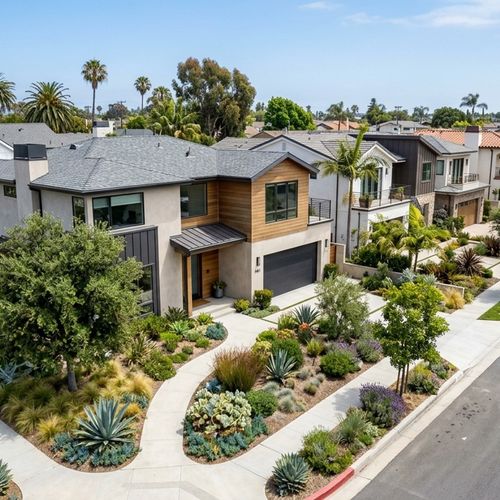


What to Expect When Selling a Trust Property in El Segundo, CA
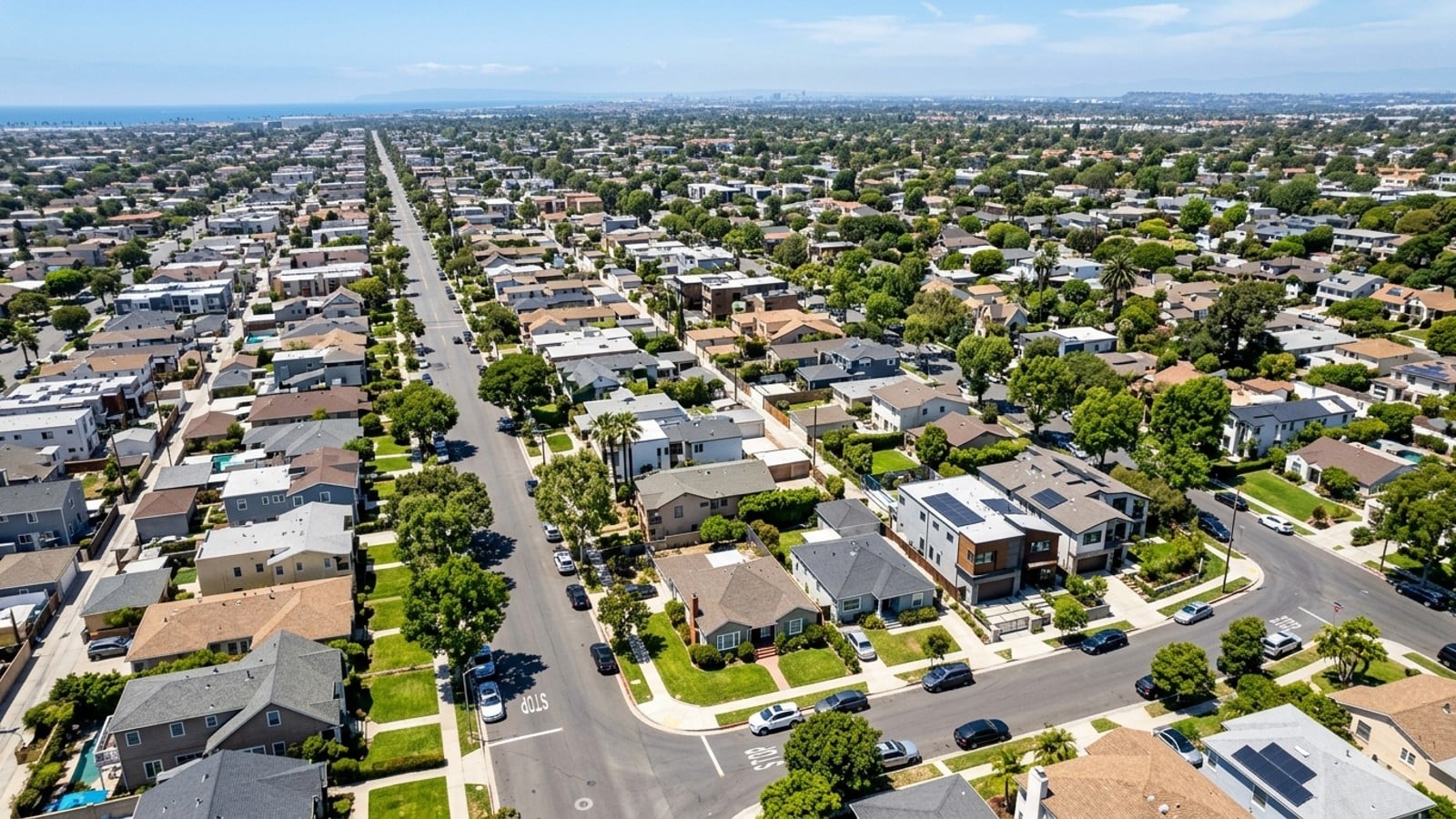
The median sale price for a home in El Segundo, CA is roughly $1,307,500. At that price point, a sale already demands your full attention - add the responsibilities of a successor trustee, and you're operating with a real legal obligation to the people who stand to inherit. When a homeowner passes away and leaves real estate in a trust, the appointed trustee takes over management and sale of the asset, often relying on the best trust real estate agent in El Segundo, CA to handle the transaction.
Here's the part that surprises most people: a trust sale can move just as fast as a standard transaction, generally closing within a matter of weeks once the required documents are in order. Unlike Los Angeles County probate sales that often take 9 to 18 months, a trust lets you bypass the court system entirely and list the property directly. What slows things down isn't the market - it's incomplete paperwork, missed tax filings, and misunderstood obligations to beneficiaries.
What to Know Before Selling a Trust Property in El Segundo
Title companies in California require specific documentation before ownership of a trust property can transfer. You cannot simply sign a listing agreement using your own name - it doesn't work that way.
The vesting deed must show the property is correctly titled in the trust's name. If the original owner never properly transferred the home into the trust, you may find yourself dealing with the Los Angeles County probate system instead of a straightforward listing.
Your Fiduciary Duties as a Trustee
Managing someone else's assets comes with a legal obligation to act in the best interests of the beneficiaries - not your own, not anyone else's. You must secure the property, maintain its value, and handle the sale responsibly. If your actions cause financial harm to the estate, you're liable for that.
In practical terms: you can't sell to a friend at a steep discount, and you can't ignore what the market is telling you about value. The trust document sets out your instructions, and you're expected to follow them while maximizing the return for the beneficiaries.
Proving Your Authority to Sell
Under California Probate Code Section 18100.5, you can present a Certification of Trust to title companies, escrow officers, or lenders. This notarized document proves the trust exists and establishes your powers as the acting trustee, without exposing private details about who inherits what.
You don't have to hand over the entire trust document to third parties. They can only request specific excerpts showing your succession or your authority to act in the real estate transaction. Once recorded, the certification becomes a public record for that specific real property.
How to Sell a Trust Property in California
Homes in El Segundo spend roughly 8 days on the market before selling. That's a fast market, and to take advantage of it, you need the property and the paperwork ready before the photos are taken or the first tour is scheduled.
About 75% of recent sales have closed above the listing price. Buyers here are aggressive, and offers can come quickly - which means legal roadblocks after you've accepted one are especially costly.
Establishing the Home's Value
Order a professional appraisal as soon as you assume the role of successor trustee. It establishes the fair market value of the home at the time of the original owner's death, gives you a clear baseline for pricing, and defends your listing strategy if beneficiaries later question what the home sold for. It also determines how taxes are calculated.
Don't skip this step thinking you can work backward from the sale price later.
Clearing Title and Getting a Certification of Trust
If the original trustee has passed away, title companies require a recorded Affidavit of Death of Trustee. They'll also need any prior deeds that establish a clear chain of title before they'll issue a policy for the new buyer.
You'll sign all transaction documents in your official capacity - something like "Jane Smith, Successor Trustee." Those documents get notarized and recorded with the county recorder alongside a Preliminary Change of Ownership Report (PCOR).
Working With Local Real Estate Professionals
Trust sales involve disclosures and legal steps that don't come up in a standard transaction. You need an agent who actually understands the paperwork required to list a trust-owned home - not someone who'll figure it out as they go.
An attorney is worth the consultation fee here. El Segundo has recognized trust and estate attorneys available to help, including those at Carico Glowacki Macdonald Kil & Benz and specialists like Scott P. Schomer, who can walk you through your obligations under state law.
Taxes and Trust Property Sales
Selling a home for over $1.3 million means tax considerations land on both the trust and the beneficiaries. California has specific rules that apply to trust transfers and third-party sales, and the distinctions matter.
Transfers into or out of a revocable living trust are generally exempt from the documentary transfer tax - but selling the home to an outside buyer is not. Work with a CPA before you distribute anything.
How the Step-Up in Basis Works
When the original owner passes away, the property typically receives a step-up in basis. That means the home's tax basis adjusts to its current fair market value, rather than what the owner originally paid for it years ago.
Say the original owner bought an El Segundo house for $200,000 and it's now appraised at $1.3 million - the new basis becomes $1.3 million. That adjustment wipes out the tax liability on decades of appreciation.
Handling Capital Gains Taxes
Capital gains taxes only apply to appreciation that occurs between the date of death and the date of sale. If the property value increases during the time it takes to prepare the home and close escrow, the trust owes taxes on that specific gain.
Sell shortly after the owner's passing, and the sale price often matches the stepped-up basis closely enough that the capital gains burden is minimal - sometimes nothing at all.
California Transfer Tax Rules
California imposes a documentary transfer tax at $1.10 per $1,000 of the property's sale price. Los Angeles County adds up to $4.50 per $1,000 on top of that base rate, which is a meaningful addition to closing costs at this price point.
Passing the property directly to heirs is exempt from this tax under Revenue & Taxation Code Section 11930. Sell to an outside buyer for consideration, and the transfer is taxable - no exceptions.
What Happens After the Sale Closes
Closing escrow is not the finish line for a trustee. Sale proceeds go into a trust bank account - not your personal account - and from there you work through a specific order of operations before anyone sees a distribution. Beneficiaries receive their share last, after all legal and financial obligations are settled.
Settling Debts and Mortgages
Any existing mortgages, property taxes, or liens attached to the home get paid off first. Escrow typically handles the mortgage payoff directly from the sale proceeds before wiring the remaining balance to the trust account.
Outstanding debts the deceased left behind - medical bills, credit cards - also have to be settled before beneficiaries receive anything. Creditors have a legal right to be paid first, and that order isn't negotiable.
Distributing Funds to Beneficiaries
Once debts, taxes, and administrative expenses are cleared, you distribute the remaining funds according to the exact percentages or instructions in the trust document. No rounding, no interpretation - follow what it says.
Provide a final accounting to all beneficiaries that details the sale price, every expense paid, and the final distribution amounts. It protects you from future legal claims and closes out your fiduciary duty cleanly.
Frequently Asked Questions
Does a trustee need probate court approval to sell an El Segundo property, or can they list it directly?
No probate court approval required. You can list the property directly using a Certification of Trust, which lets you avoid the Los Angeles County probate process that often takes 9 to 18 months.
How does buying a home from a trust differ from a standard real estate transaction in El Segundo?
The pace is the same as a normal transaction, but the title requirements are different. The seller must record an Affidavit of Death of Trustee and sign all deeds in their official capacity as successor trustee - not as an individual.
How long does it typically take to clear title and close a trustee property sale in the South Bay market?
A trust sale can close in a matter of weeks once the trustee has the necessary documents in hand. With El Segundo homes currently spending an average of 8 days on the market, the timeline depends almost entirely on how quickly you get the paperwork together.
Check out this article next