


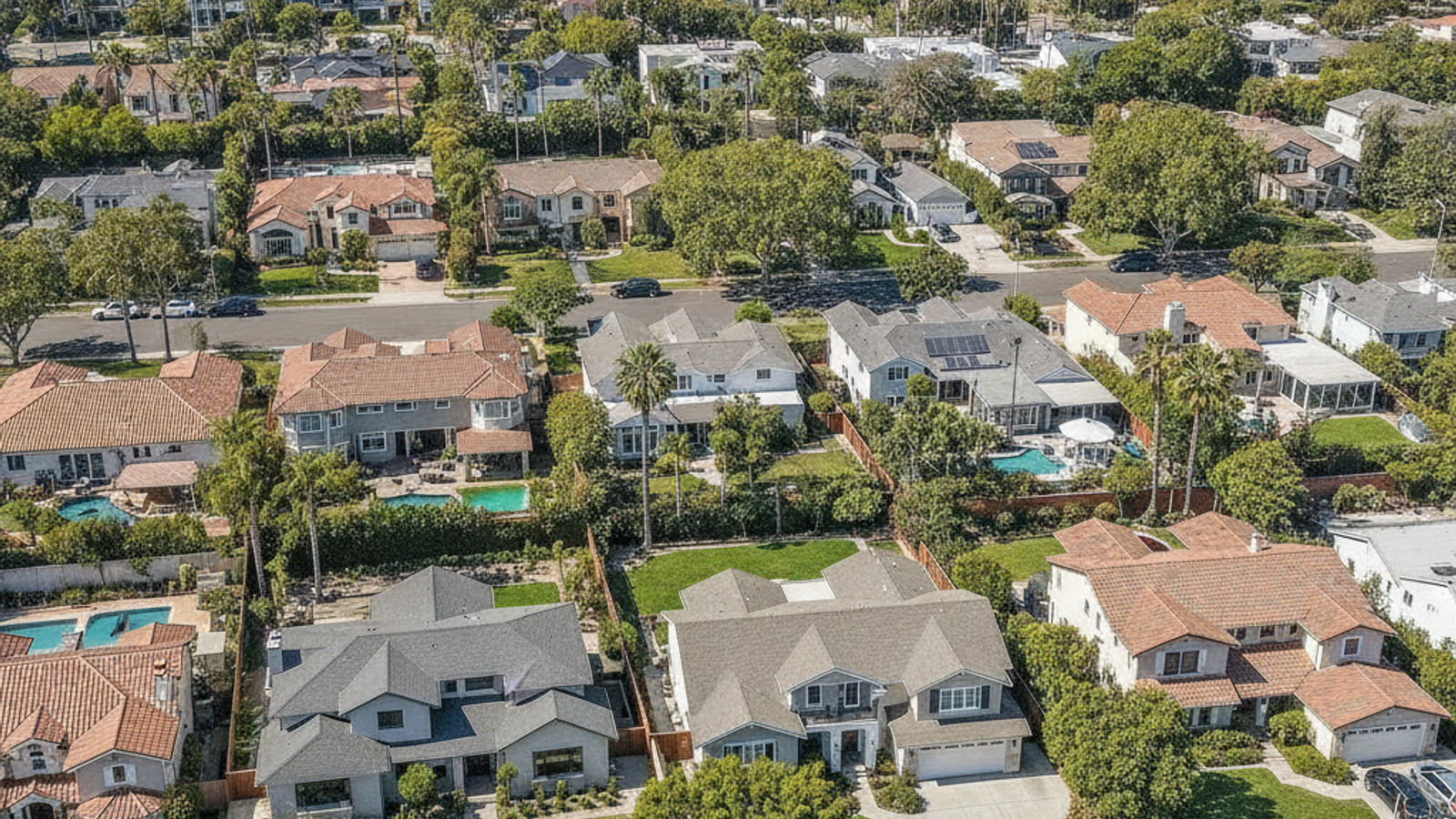
The median sale price in El Segundo, CA is around $1,307,500, and homes are spending roughly 8 days on the market right now. When you step into the role of successor trustee, you're managing trust real estate in El Segundo, CA in a market that moves fast - and the legal responsibilities start the moment the previous trustee passes.
Selling a house held in a trust isn't like a standard owner-occupied transaction. There are specific legal steps you have to follow to protect both the estate and the beneficiaries. Every decision you make - from setting the list price to signing the final escrow documents - carries legal weight, because you're acting on someone else's behalf. Understanding exactly what's required in Los Angeles County is what keeps the sale on track and keeps you out of court later.
Understanding Your Fiduciary Role as a Trustee
Under California Probate Code §16004, you must avoid self-dealing and act impartially. Your job is to manage the trust assets for the benefit of the named beneficiaries, full stop. That standard is high, and every action you take regarding the property has to prioritize the estate's financial health - not convenience, not family dynamics, not speed for its own sake.
Before you do anything with the property, read the trust agreement thoroughly. It dictates your specific powers and limitations around real estate. California law generally gives trustees broad authority, but the trust itself can impose restrictions on how or when a property can be sold - and those restrictions override the default rules. You also need to keep beneficiaries reasonably informed about significant transactions. Open communication isn't just good manners; it's what prevents challenges down the road.
Acting in the Best Interest of Beneficiaries
Selling a house in a trust means securing fair market value. You can't sell the property to yourself, a family member, or a friend at a steep discount just to move it quickly. The goal is to maximize the return for the estate while balancing the costs of holding the property.
If beneficiaries feel you acted outside your authority, they can challenge the sale in court. Documenting your pricing strategy and marketing efforts is how you show you took your responsibilities seriously and acted in good faith.
Reviewing the Trust Agreement for Specific Instructions
The trust document will tell you whether you have immediate power to list the home or whether certain conditions have to be met first. Some trusts require the property to be offered to a specific family member before it goes on the open market. You have to follow those directives exactly as written.
If the document is silent on beneficiary approval, California Probate Code §16226 gives you the power to dispose of the property at a public or private sale, for cash or credit, without unanimous consent. As long as you follow the trust's overall intent and maintain impartiality, you're generally free to proceed.
Preparing the El Segundo Property for the Market
El Segundo homes are currently selling for an average of 107.2% of their list price, with 75% of properties going above asking. To position the home to capture that demand, you need clear title and an accurate valuation in place before buyers start touring.
The first administrative step is filing the Affidavit of Death of Trustee along with the original death certificate. This updates the public record with Los Angeles County and proves you have the legal authority to sign listing agreements and transfer the deed. Title companies will require this documentation before they'll open escrow - don't wait on it.
After that, order a professional appraisal as of the date of the original property owner's passing. This establishes the step-up in basis, which is what you'll need to calculate any potential capital gains taxes the trust or beneficiaries might owe after the sale closes.
Clearing Title and Filing the Death Certificate
Title companies need proof that the previous trustee has passed and that you're the legally named successor. Getting that paperwork filed early prevents the kind of last-minute delays that happen when a buyer submits a strong offer and wants to close quickly.
A preliminary title search will also surface any outstanding liens, mortgages, or unpaid property taxes. Those debts attach to the property and get paid out of escrow at closing, so knowing the exact payoff amounts lets you calculate net proceeds accurately before you're sitting at the signing table.
Obtaining a Professional Appraisal
An appraisal gives you a documented fair market value - which protects you from claims that you sold the home for too little, and serves as a financial baseline for the trust's accounting records.
One thing worth keeping in mind: despite that 8-day median time on market, El Segundo currently has about 9 months of housing supply, which means buyers have options. Pricing accurately based on the appraisal is how you attract qualified buyers while still fulfilling your duty to maximize the estate's return.
The Selling Process and State Disclosures
Under California Civil Code §1102.2(d), trustees are generally exempt from providing the standard Transfer Disclosure Statement (TDS) when selling a property. The logic is straightforward - a successor trustee often hasn't lived in the home and can't truthfully attest to its detailed physical history.
That exemption has limits, though. If you're a natural person acting as sole trustee and you owned or occupied the home within the year preceding the transfer, you must complete the standard TDS. And regardless of your TDS status, you still have a common-law duty to disclose any known material facts that affect the property's value or desirability. You're also required to provide the buyer with a Natural Hazard Disclosure Statement covering risks like earthquake faults or flood zones.
Hiring a Real Estate Agent Experienced with Trusts
Trust sales involve specific addendums and timelines that don't apply to standard transactions. An agent who knows Los Angeles County trust sales will make sure the correct local forms are used and that your TDS exemption is properly documented in the listing.
Your agent handles the marketing, coordinates showings, and negotiates offers on your behalf. They also serve as an additional layer of documentation - evidence that the property was exposed to the open market and that you pursued the best possible price for the beneficiaries.
Handling As-Is Sales and Disclosures
Most trust properties sell as-is. The trust won't pay for repairs or upgrades before closing, but buyers are still entitled to perform their own inspections before they finalize the purchase.
If a buyer's inspection turns up a major defect - a failing roof, a foundation issue - and that transaction falls through, you're required to disclose that defect to any future buyers. Transparency isn't optional here. It protects the trust from post-sale litigation and keeps you in line with your ongoing common-law disclosure duties.
Closing the Sale and Managing Proceeds
A trust sale in Los Angeles County typically closes within a 30 to 45-day escrow period for financed purchases. Cash transactions can wrap up in 21 to 30 days, putting the full timeline from listing to close somewhere between 45 and 65 days.
That's a meaningful difference from a standard probate sale, which can drag on for 6 to 18 months because of court oversight, creditor notice periods, and confirmation hearings. A trust bypasses all of that - once a buyer's contingencies are removed, you're heading straight to closing.
As trustee, you'll sign all final escrow instructions and the grant deed transferring ownership. The title company then wires the net proceeds directly into a bank account held in the name of the trust.
Signing Closing Documents as a Trustee
Sign every closing document exactly as your name appears on the trust certification. The escrow officer will verify your identity and confirm that the transfer complies with the authority granted to you in the trust document.
Don't mix trust proceeds with your personal accounts. Open a dedicated checking or savings account in the trust's name, using its specific Tax Identification Number, to receive the wire transfer from escrow.
Distributing Funds to Beneficiaries
Before any money goes out to beneficiaries, you have to pay off the remaining mortgage, property taxes, and any outstanding debts owed by the deceased. Hold back a reserve for final income or estate taxes the trust may owe at year end.
Once all liabilities are settled, you distribute the remaining proceeds according to the trust's instructions. Providing a final accounting statement to everyone involved is what closes out your fiduciary responsibilities for the real estate transaction.
Frequently Asked Questions
Do I need probate court approval to sell a house in El Segundo if I am already named the successor trustee?
No. If the property is properly titled in the name of the trust, you don't need probate court approval to sell it. Trust sales in Los Angeles County bypass the court system entirely, allowing you to close in a standard 30 to 45-day escrow period.
What happens if the trust beneficiaries disagree on the list price or whether to sell the El Segundo home at all?
Under California Probate Code §16226, a trustee generally has the power to sell the property without unanimous beneficiary approval unless the trust document explicitly restricts it. That said, if beneficiaries believe you're not seeking fair market value, they can challenge the sale in court - which is exactly why documenting your pricing strategy with a professional appraisal matters.
Are successor trustees exempt from standard California real estate disclosures when selling an inherited property in El Segundo?
Yes, in most cases. California Civil Code §1102.2(d) exempts trustees from providing the standard Transfer Disclosure Statement, provided they didn't occupy or own the home within the past year. You still have a common-law duty to disclose any known material facts and must provide a Natural Hazard Disclosure Statement.
Check out this article next