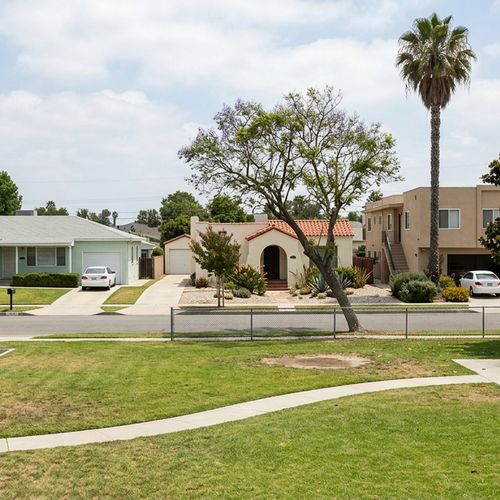


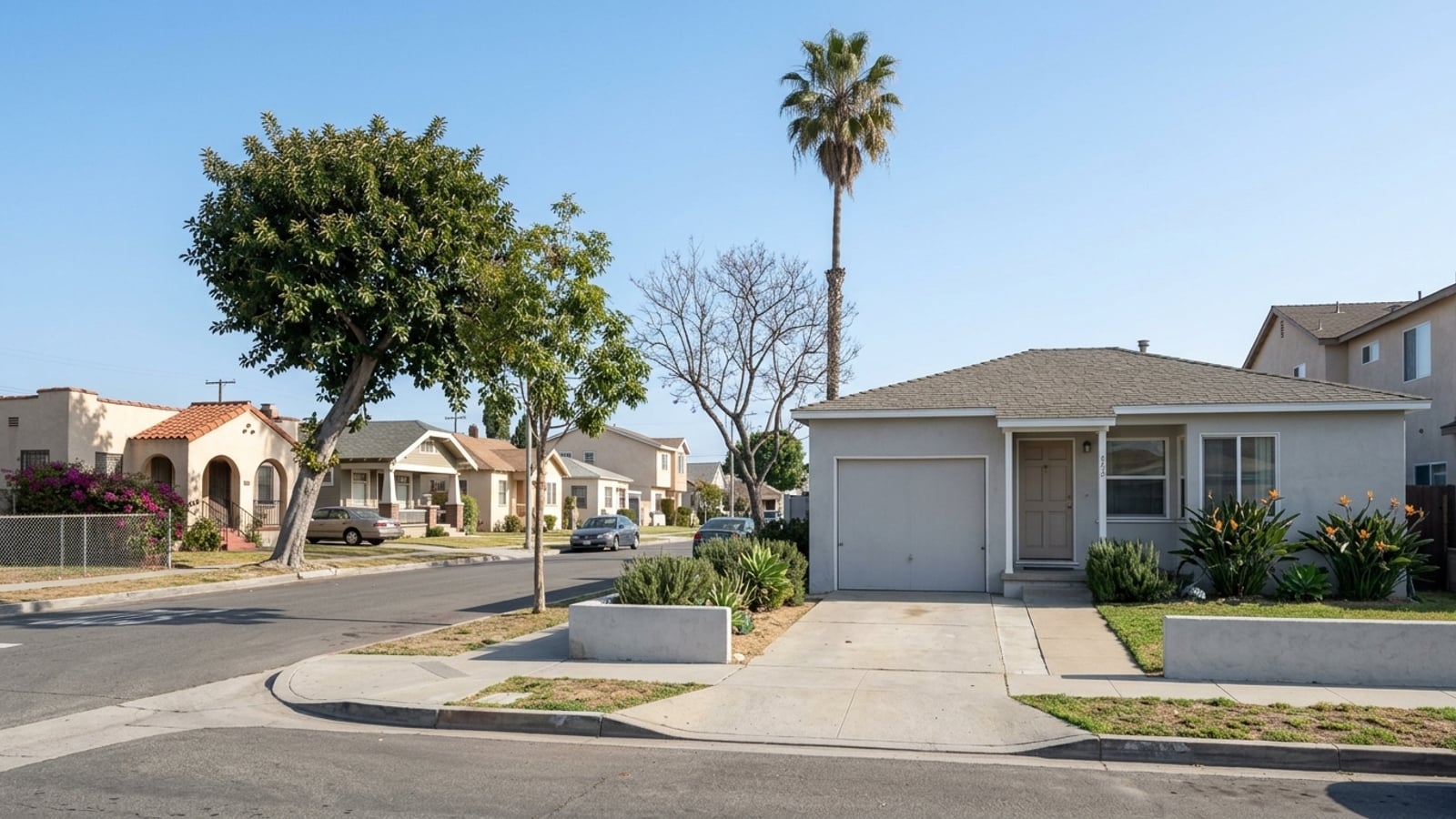
The median sale price for a home in Hawthorne, CA, is roughly $864,428. Inheriting a property at that value is a significant financial event - and depending on how the estate was set up, it can also mean months of court delays, legal fees, and paperwork before you can do anything with it. Working with a probate real estate agent in Hawthorne, CA can help you determine the best path forward.
A lot of families want to skip that part. Bypassing formal probate saves time, reduces legal costs, and gets the property onto the market faster. Whether you can do that comes down to one thing: how the deceased owner held the title before they passed.
What Probate Means for Inherited Homes in California
All Los Angeles County probate cases are filed at the Stanley Mosk Courthouse in downtown Los Angeles - regardless of where the deceased lived in the county. The process is public, slow, and expensive.
Probate is the court-supervised process for distributing a deceased person's assets. For a home in Hawthorne, that means a judge must validate the will, appoint an executor, and sign off on the eventual sale. The timeline and costs are set by state law, not by how organized the family is or how straightforward the estate looks on paper.
The delays are real. Los Angeles probate cases routinely take 12 to 24 months from the initial petition to the final distribution order. Courts currently have backlogs of three to six months just to get an initial hearing date on the calendar.
The Basics of the Probate Process
While the court works through the estate, the appointed executor manages the property - handling maintenance, paying ongoing bills, and eventually hiring an agent to list the home. Accepting an offer on the house often requires a judge's approval. Nothing moves fast.
The costs add up quickly too. Filing fees start around $435, but the bigger hit comes from statutory fees set by the California Probate Code, calculated as a percentage of the estate's gross value.
Why Families Prefer to Bypass the Court System
For a $1 million estate - a realistic number given local real estate prices - the statutory attorney fee is $23,000 and the executor fee is another $23,000. That's $46,000 before court costs or any extraordinary expenses.
Avoiding probate also means privacy. No public filings, no waiting up to two years for a judge to release the property. With the right legal structures already in place, heirs can take ownership and list the home in a matter of weeks.
Legal Ways to Transfer Property Outside of Court
To skip the Stanley Mosk Courthouse entirely, the property owner had to establish specific legal arrangements before their death. California law recognizes several methods that let real estate transfer directly to beneficiaries without court involvement.
What you'll need to do before selling depends on which method was used. In each case, the transfer happens automatically - either by operation of law or through a designated trustee - and no judge has to approve anything.
Property Held in a Living Trust
A living trust is probably the most common probate-avoidance tool in California. When a homeowner places their Hawthorne property into a trust, the trust becomes the legal owner. The original owner typically serves as their own trustee during their lifetime.
When they pass, a successor trustee named in the document immediately steps in. That person has full legal authority to hire a real estate agent, sign the listing agreement, and sell the home on behalf of the trust beneficiaries - no court required.
Joint Tenancy with Right of Survivorship
Joint tenancy means multiple people own equal shares of one property, and under California law that arrangement comes with a right of survivorship. When one owner dies, their share passes automatically to the surviving owner or owners.
To clear the title, the surviving owner records an affidavit of death of joint tenant along with a certified death certificate at the county recorder's office. Once that's recorded, the survivor holds full title and can sell immediately.
Transfer on Death (TOD) Deeds
California allows homeowners to use a Revocable Transfer on Death Deed, authorized under Probate Code §5600-§5696. The deed names a beneficiary who receives the property directly upon the owner's death. It must be signed in front of a notary public and two witnesses, then recorded with the county within 60 days of notarization.
TOD deeds do come with some built-in delays worth knowing about. State law imposes a 120-day waiting period during which anyone can contest the deed after the owner's death. Beyond that, title companies generally require a three-year waiting period before they'll issue title insurance for a sale or refinance. So while you avoid probate, you don't avoid a waiting period entirely.
Preparing and Selling the Hawthorne Property
Hawthorne homes are currently spending a median of 49 days on the market. How well-prepared the property is when it hits the market will largely determine where your sale lands on that curve.
Once the legal transfer is sorted, the focus shifts to the physical and financial side of things. Selling an inherited property isn't quite the same as a standard owner-occupied sale - you may be dealing with a home you haven't set foot in for years, belongings that need clearing out, and title questions that need answering before you can list.
Confirming the Title and Legal Ownership
Work with a local title company before you do anything else. A title search will surface any outstanding mortgages, tax liens, or judgments attached to the home.
The title company also verifies that the trust documents, joint tenancy affidavits, or TOD deeds were recorded correctly. Catching title issues early keeps them from becoming deal-killers once a buyer is under contract.
Evaluating the Home's Condition and Value
Inherited homes often haven't had recent updates or regular maintenance. A pre-listing inspection is worth ordering so you know exactly what you're dealing with - structural issues, plumbing, electrical - before buyers start asking questions. That information also helps the family decide whether to sell as-is or put money into repairs first.
Pricing is its own conversation. A local agent will pull a comparative market analysis based on recent Hawthorne sales. With local homes selling for roughly 98.5% of their list price, getting the number right from the start matters more than it might seem.
Managing and Clearing Out Personal Belongings
This step takes longer than most families expect. Start by securing valuables, financial documents, and family heirlooms. Everything else can be sorted afterward.
For the bulk of what remains, local estate liquidators or clean-out services can handle the heavy lifting. An empty or staged home simply photographs better and shows better - buyers can picture themselves in the space instead of sorting through someone else's life.
Taxes on Inherited Real Estate
California repealed its inheritance tax decades ago, and there's no state estate tax either. Beneficiaries pay 0% California tax on the value of real estate they inherit.
That said, federal estate taxes and capital gains taxes can still come into play. Understand how the IRS treats inherited property before you close, so the tax outcome isn't a surprise.
How the Stepped-Up Basis Works
When you inherit a house, the IRS resets the property's tax basis to its fair market value on the date the original owner died. That's the stepped-up basis. If the deceased bought the Hawthorne home decades ago for $150,000 and it's worth $864,000 when they die, your new tax basis is $864,000.
Sell the home shortly after for $864,000 and you owe no capital gains tax. Capital gains only apply to appreciation that occurs between the date of death and the date of sale.
Estate Taxes Versus Capital Gains Taxes
Federal estate taxes apply to the total value of the deceased person's assets - not just the real estate. For 2026, the federal estate tax exemption is $15 million per individual. Estates below that threshold don't owe federal estate taxes.
Capital gains taxes apply to profit from selling an asset. Because of the stepped-up basis, most families selling an inherited home shortly after the owner's death face minimal capital gains exposure. The two taxes work differently, so determine which one applies to your situation.
Coordinating the Sale with Local Professionals
A standard home sale involves a seller, a buyer, and an escrow officer. An inherited property adds an estate attorney, possibly a tax advisor, a title company doing extra due diligence, and sometimes multiple beneficiaries who all need to be on the same page.
The families who get through this smoothly are the ones who build a team early and let each person handle their lane.
Aligning with Estate Attorneys and Tax Advisors
An estate attorney confirms that the trust or deed documents satisfy all California Probate Code requirements and handles the legal filings needed to transfer title into the beneficiaries' names.
A tax professional calculates the exact stepped-up basis and prepares the estate's tax returns. Once the legal and tax work is done, a local real estate agent can list the home, market it to Hawthorne buyers, and manage the sale negotiations through to closing.
Frequently Asked Questions
Can I sell an inherited house before probate is complete in California?
No, if the property is going through the formal probate process in Los Angeles County, you cannot finalize a sale until the court grants approval. The appointed executor can list the home and accept an offer, but the judge must confirm the final sale. If the home was held in a living trust or transferred via a TOD deed, probate is not required and you can sell without court approval.
What is a Transfer on Death (TOD) deed and does California allow it?
Yes, California allows Revocable Transfer on Death Deeds under Probate Code §5600-§5696. This document lets homeowners pass residential property directly to a beneficiary upon death without probate. The deed must be signed in front of a notary and two witnesses, then recorded with the county within 60 days.
Do I have to pay capital gains tax when selling an inherited property in Hawthorne?
It depends on how much the home appreciates after the original owner's death. Inherited real estate receives a stepped-up basis, meaning the tax value resets to the home's market value on the date of death. You only pay capital gains tax on the profit made above that new stepped-up value.
How do I know if my inherited Hawthorne home qualifies for a small estate affidavit to bypass probate?
It depends on the total value of the estate, but real estate usually pushes the value over the state limit. While California offers small estate affidavits for certain personal property, real estate transfers generally require formal probate, a living trust, a joint tenancy, or a TOD deed.
If the Hawthorne property was left in a living trust, what specific documents do I need to legally list and sell it?
The successor trustee must provide the original trust documents and a certified death certificate. They will also need to record an affidavit of death of trustee with the county recorder. The title company reviews these documents to confirm the trustee has the legal authority to sell the home.
What happens if multiple heirs inherit a house in Hawthorne but cannot agree on whether to sell without going through probate?
If multiple heirs inherit the home through a trust or joint tenancy and disagree on selling, the legal structure dictates the outcome. A trustee usually has the authority to sell the property and distribute the proceeds, but if heirs hold the title jointly, one owner may have to file a partition lawsuit to force a sale.
Check out this article next