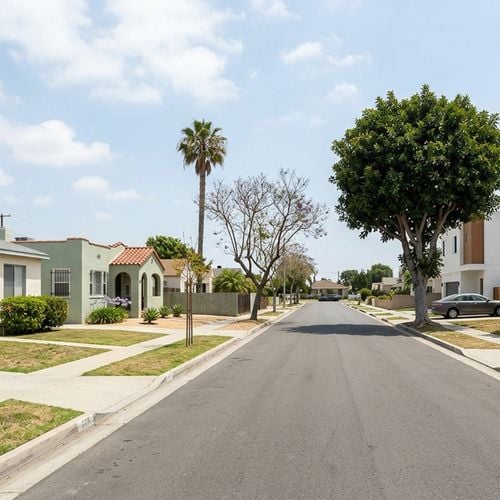


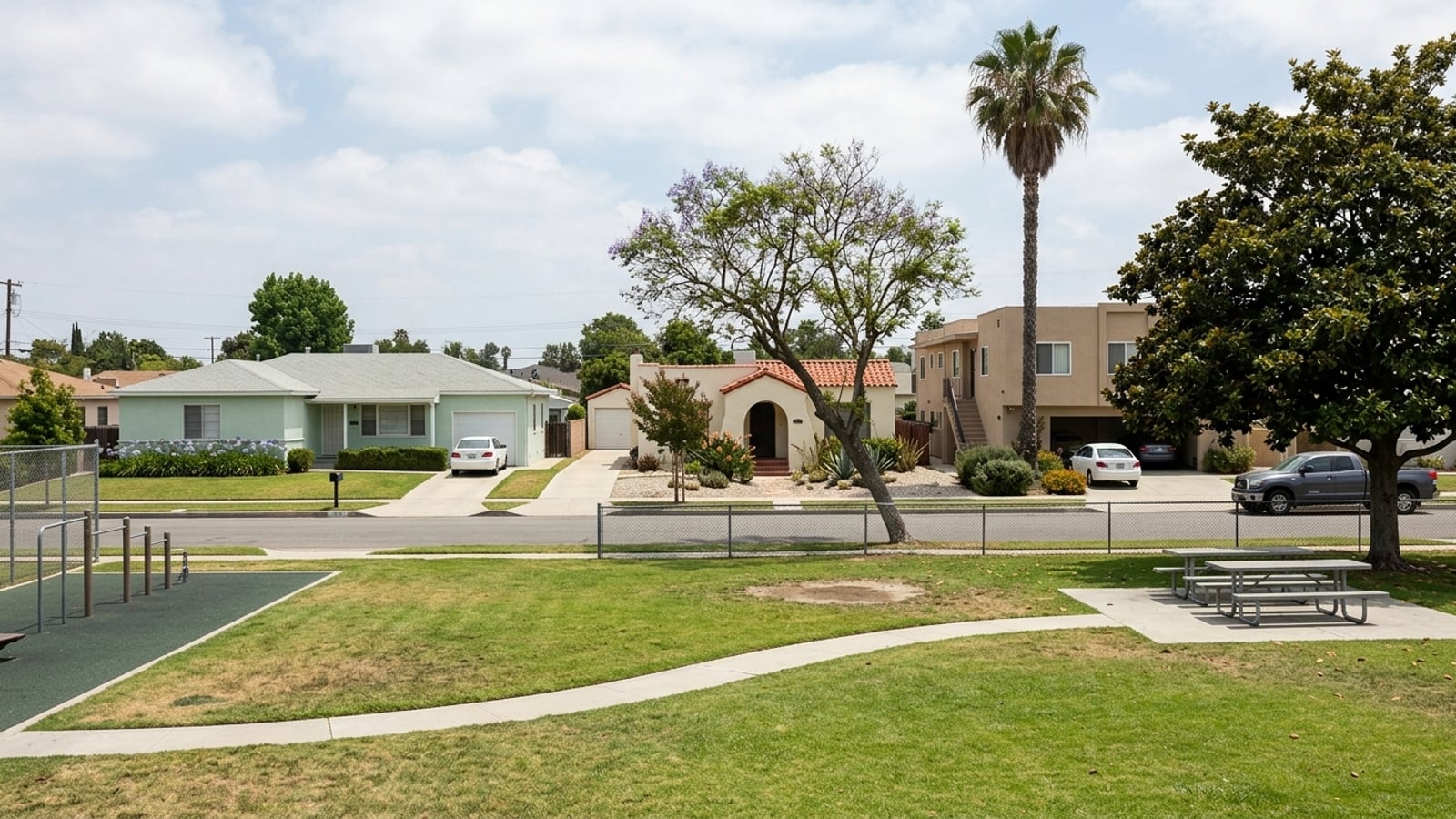
Inheriting a house in Los Angeles County usually means working through a specific legal timeline before you can sell or transfer the property. The process exists to settle the deceased person's debts and legally transfer title to the rightful heirs - and in California, it follows a specific set of court-supervised steps before you can list with a probate real estate agent in Hawthorne, CA.
If you're dealing with an estate in Hawthorne, CA, you're also dealing with a local market where the median home price sits around $864,000. A concrete listing date lets you plan for the carrying costs - property taxes, maintenance, the usual - instead of just waiting and guessing. Every situation is different, but a clear overview of the standard Los Angeles County timeline makes the wait a lot easier to manage.
How the California Probate Process Works
Probate is the legal procedure used to validate a will, pay off outstanding debts, and distribute the remaining assets to heirs. If the deceased left a will, the estate is considered testate - the court follows the document. Without one, the estate is intestate, and California state law determines who inherits what.
Not every house has to go through this. How the title was held at the time of death is what drives the next steps. A house held in joint tenancy with right of survivorship, or placed in a living trust, bypasses the system entirely and passes directly to the surviving owner or beneficiary.
If the deceased held sole ownership of the Hawthorne property and never put it in a trust, you're almost certainly looking at court involvement. The court has to officially appoint someone to manage the estate before any real estate can change hands. Until that appointment happens, no one has the legal authority to sign a listing agreement or authorize a sale.
What the Court Examines
The court looks at the total value of the estate to decide whether full probate is necessary. California does offer simplified procedures for very small estates, but most real estate values push the total well above those thresholds. The judge will review the petition, validate the will if one exists, and make sure all legal heirs receive proper notice.
During this review phase, the court also grants the executor or personal representative their legal power to act on behalf of the estate - through a document called Letters Testamentary or Letters of Administration. You need that document in hand before you can make any major decisions about the house.
When Real Estate Requires Court Action
Homes that require court action can't be sold the moment the owner passes. The appointed representative has to secure proper authority under California's Independent Administration of Estates Act (IAEA), which dictates exactly how much court oversight applies to the eventual sale.
The type of authority granted under the IAEA also determines whether a judge has to sign off before you can accept a buyer's offer. More on that shortly - but the first goal is always to get the personal representative officially appointed so the clock can start moving.
Step-by-Step Timeline for Los Angeles County Estates
Hawthorne has its own local courthouse in Inglewood, but nearly all Los Angeles County probate cases run through the Stanley Mosk Courthouse in downtown Los Angeles. That courthouse handles cases for the entire county, which means the volume is immense - and the scheduling reflects it. A simple estate in Los Angeles County typically takes about 9 to 12 months from start to finish.
Estates with real estate to sell usually land in the 12 to 18 month range. The timeline is driven by mandatory waiting periods built into California law, layered on top of whatever the local court's calendar looks like. A clear breakdown of the phases helps executors plan for what's ahead instead of being caught off guard six months in.
Filing the Petition and Naming an Executor
Everything starts when someone files a petition with the Los Angeles County Superior Court. Once filed, the court schedules an initial hearing - in Los Angeles County, that's roughly six to eight weeks out from the filing date.
At the hearing, the judge reviews the petition and officially appoints the executor or personal representative. The clerk issues the Letters Testamentary, usually the same day or within a few days of the judge signing the order. All told, you're looking at 6 to 10 weeks from filing just to get the legal authority to start managing the estate.
Notifying Creditors and Heirs
Once the personal representative is appointed, California law requires them to notify potential creditors. Under California Probate Code Section 9100, creditors have a specific window to file a claim - the later of four months after the Letters are issued, or 60 days after the Notice of Administration is mailed to a known creditor.
That four-month window is a hard rule. The court won't allow the estate to close or final funds to be distributed until it runs out. There's also a separate one-year statute of limitations from the date of death for creditor actions, regardless of the notice deadlines.
Appraising the Property and Paying Debts
While the creditor clock is ticking, the representative has to inventory the estate's assets. For a house in Hawthorne, a court-appointed probate referee conducts an appraisal to establish the property's value at the time of death. That official valuation is required before the court will approve any sale or distribution.
Once the creditor period ends and the assets are valued, the representative pays any valid debts and taxes the deceased owed. Only after those debts are settled can the representative petition the court for a final distribution of what remains - including proceeds from a home sale.
Common Causes for Court Delays
The 9 to 12 month window is the fastest realistic outcome for a simple estate. Many cases run longer. Complex or contested estates in Los Angeles County can stretch to 18 to 24 months, and some drag on for several years. The Stanley Mosk Courthouse's caseload is a constant factor - getting a hearing date for any required court action simply takes time.
Beyond scheduling, the specifics of the estate often set the pace. Issues that require extra legal steps or additional hearings push the final distribution date further out.
Family Disputes Over the Estate
A will contest or heir disagreement is the most reliable way to add serious time to this process. If someone challenges the validity of the will or objects to the appointed executor, the judge has to hold hearings to resolve it - and the standard timeline stops until there's a ruling.
Disagreements about whether to sell the inherited house or hold onto it create the same problem. When multiple heirs inherit a single property, they need to agree on a path or ask the court to intervene. Either way, it adds months.
Complex Assets and Court Backlogs
Estates with multiple properties, active businesses, or complicated tax liabilities take more time to untangle. The representative has to file final tax returns and resolve any IRS issues before the estate can close. If the estate doesn't have the cash to cover those taxes, the Hawthorne home may need to be sold first to generate the funds.
Every motion filed, every hearing requested to handle those complexities - all of it runs through the Stanley Mosk Courthouse backlog. Waiting weeks or months just to get on the judge's calendar is routine in Los Angeles County. It's not an exception; it's just the reality.
Selling an Inherited House in Hawthorne
If the estate needs to sell the property to pay debts or divide the inheritance, the local market conditions matter. Recently, homes in Hawthorne have spent roughly 49 days on the market, with available inventory sitting at about 61 properties. A faster sale moves the estate toward closure sooner - but the representative still has to follow the rules of the IAEA, and those rules depend on what kind of authority the court granted.
The IAEA sets two tracks: Full Authority or Limited Authority. Which one applies determines exactly what steps are required to get the home sold and closed.
Getting Court Approval Under the IAEA
With Full Authority under the IAEA, the representative can sell the real estate without court confirmation. They negotiate the sale and send a Notice of Proposed Action to the interested parties. If no one objects within 15 days, the sale closes like a standard real estate transaction.
Limited Authority requires court confirmation. The representative accepts an offer, then waits for a court hearing to confirm the sale. At that hearing, the judge opens the floor for overbids from other buyers, and the accepted price has to be at least 90% of the probate referee's appraised value.
Working with a Local Real Estate Agent
Selling through the Los Angeles County court system comes with specific disclosures and rigid timelines that don't apply to a typical sale. An agent who knows these transactions understands how to market the home to buyers while staying compliant with IAEA rules - and can walk buyers through the timeline so there are no surprises on their end.
Pricing matters too. With Hawthorne homes currently selling for about 98.5% of their list price, an accurate starting price attracts strong offers quickly. That efficiency reduces the estate's carrying costs and gets heirs to their final distribution sooner.
Frequently Asked Questions
Can I sell a house before probate is finished in California?
Yes - provided you've been appointed as the personal representative and received your Letters Testamentary. The sale happens during the administrative phase, well before the estate officially closes. The proceeds go into an estate bank account to pay debts until the court approves the final distribution.
What happens to the timeline if there is no will in California?
It doesn't change the overall timeframe in any significant way. The process still takes roughly 12 to 18 months for an average estate in Los Angeles County. The main difference is that the court appoints an administrator rather than an executor, and assets are distributed according to California's intestate succession laws.
Is there a way to speed up the probate process in Los Angeles County?
You can't skip the mandatory waiting periods - the four-month window for creditor claims under California Probate Code Section 9100 isn't negotiable. What you can do is avoid unnecessary delays by filing paperwork promptly and requesting Full Authority under the IAEA, which lets you sell real estate without waiting on a court confirmation hearing.
Does every inherited house in Hawthorne have to go through the full probate timeline?
No. If the house was held in a living trust or owned in joint tenancy with the right of survivorship, it bypasses the court system entirely. Formal court action is typically required only for homes held in sole ownership or as a tenant in common without designated beneficiaries.
Who pays the mortgage and property taxes on a Hawthorne home while waiting for probate to close?
The estate is responsible for all of it - mortgage, property taxes, utility bills. The personal representative uses funds from the estate's bank account to cover those carrying costs. If the estate doesn't have enough cash, the representative may need to sell the property quickly to avoid foreclosure or tax penalties.
Which Los Angeles County courthouse handles Hawthorne probate cases, and how backlogged are they?
Hawthorne is located in the Southwest District near the Inglewood Courthouse, but nearly all probate division cases for Los Angeles County are handled centrally at the Stanley Mosk Courthouse in downtown Los Angeles. Because of heavy countywide caseloads at that central location, simple estates typically take 9 to 12 months to resolve.
Check out this article next