


El Segundo sits along the Santa Monica Bay between Los Angeles International Airport and Manhattan Beach. Known historically as the aerospace capital of the world, this five-square-mile city offers a distinct coastal environment in the South Bay. The area blends heavy corporate infrastructure with defined residential neighborhoods located just blocks from the Pacific Ocean.
Buyers looking at Southern California real estate often notice El Segundo for its distinct separation from neighboring Los Angeles. The city maintains its own police department, fire department, and school district. Living in El Segundo, CA means balancing immediate access to major employment centers with a self-contained local infrastructure.
The South Bay's Aerospace Hub
El Segundo translates to "The Second" in Spanish, named after the second Standard Oil refinery on the West Coast built here in 1911. Today, that industrial foundation has evolved into a massive commercial and technology center. The city limits host corporate offices, manufacturing facilities, and a busy downtown corridor.
The northern border is defined by Los Angeles International Airport, making air travel exceptionally accessible for frequent flyers. To the south, Manhattan Beach provides a seamless connection to the rest of the coastal South Bay. This geographic pocket creates a defined border that limits pass-through traffic in residential zones.
Housing Costs and Property Types in 2026
The median home sale price for homes for sale in El Segundo sits at approximately $1,600,000 as of mid-2026. Buyers can expect to pay between $900 and $1,100 per square foot, depending on the property's condition and location. These prices place the city firmly in the premium tier of Los Angeles County real estate.
The local housing market consists primarily of the single-family detached home, though townhomes and condominiums are available near the commercial districts. Residential streets feature a mix of mid-century construction and newer, custom-built properties.
Location within the city dictates pricing tiers. Properties situated further west toward the water command a premium over those located closer to the eastern commercial sectors. Buyers should factor property taxes and potential HOA fees into their monthly housing budget.
Major Employers Driving the Local Economy
More than 100,000 workers commute into El Segundo daily, swelling the city's daytime population. The area retains its historical title as a major aerospace center, hosting facilities for companies like Raytheon and Northrop Grumman. The United States Space Force also maintains a significant presence at the Los Angeles Air Force Base located in the city.
Beyond aerospace, the local economy supports a broad mix of technology, media, and energy firms. The Chevron refinery remains a major industrial anchor on the city's southern edge. This concentration of high-paying corporate jobs directly impacts the median household income of local residents.
Many people moving to El Segundo do so to shorten their daily commute to these corporate campuses. Living close to work eliminates the need to travel on Interstate 405 or Interstate 105 during peak hours.
Public Schools and the Local District
The El Segundo Unified School District serves approximately 3,300 students across the city. Because the city boundaries are self-contained, residents do not fall under the jurisdiction of the massive Los Angeles Unified School District. This administrative independence is a major factor for many homebuyers evaluating the area.
El Segundo High School consistently ranks in the top five percent of California public high schools based on state academic metrics. The campus itself is a notable local landmark, featuring classic brick architecture that has appeared in numerous films and television shows. The district also operates two elementary schools and one middle school.
The elementary schools are geographically distributed to serve different residential pockets. Center Street Elementary sits closer to the downtown area, while Richmond Street Elementary serves the western neighborhoods. Buyers should verify specific attendance boundaries with the district when considering a property.
Commute Times and Public Transportation Options
The distance from El Segundo to downtown Los Angeles is roughly 18 to 20 miles. Drivers typically use Interstate 105 to connect to Interstate 110, or they take surface streets to Interstate 405. California State Route 1, known locally as Pacific Coast Highway, runs directly through the city for north-south travel.
Traffic conditions dictate travel times across the region. A drive to downtown Los Angeles takes about 30 minutes in light traffic but can stretch to 90 minutes during peak morning and evening rush hours. Buyers should test their specific commute route during their expected travel times before making a purchase.
Regional Transit Connections
Public transportation provides an alternative to driving. The Los Angeles Metro system serves the area, with the C Line running along the northern border near the airport. The newer K Line connects the South Bay directly to the broader Los Angeles rail network.
Local bus routes also connect residents to neighboring beach cities like Redondo Beach and Manhattan Beach. Commuters working at Los Angeles International Airport often utilize these transit options to bypass terminal traffic.
Parks, Beaches, and Local Amenities
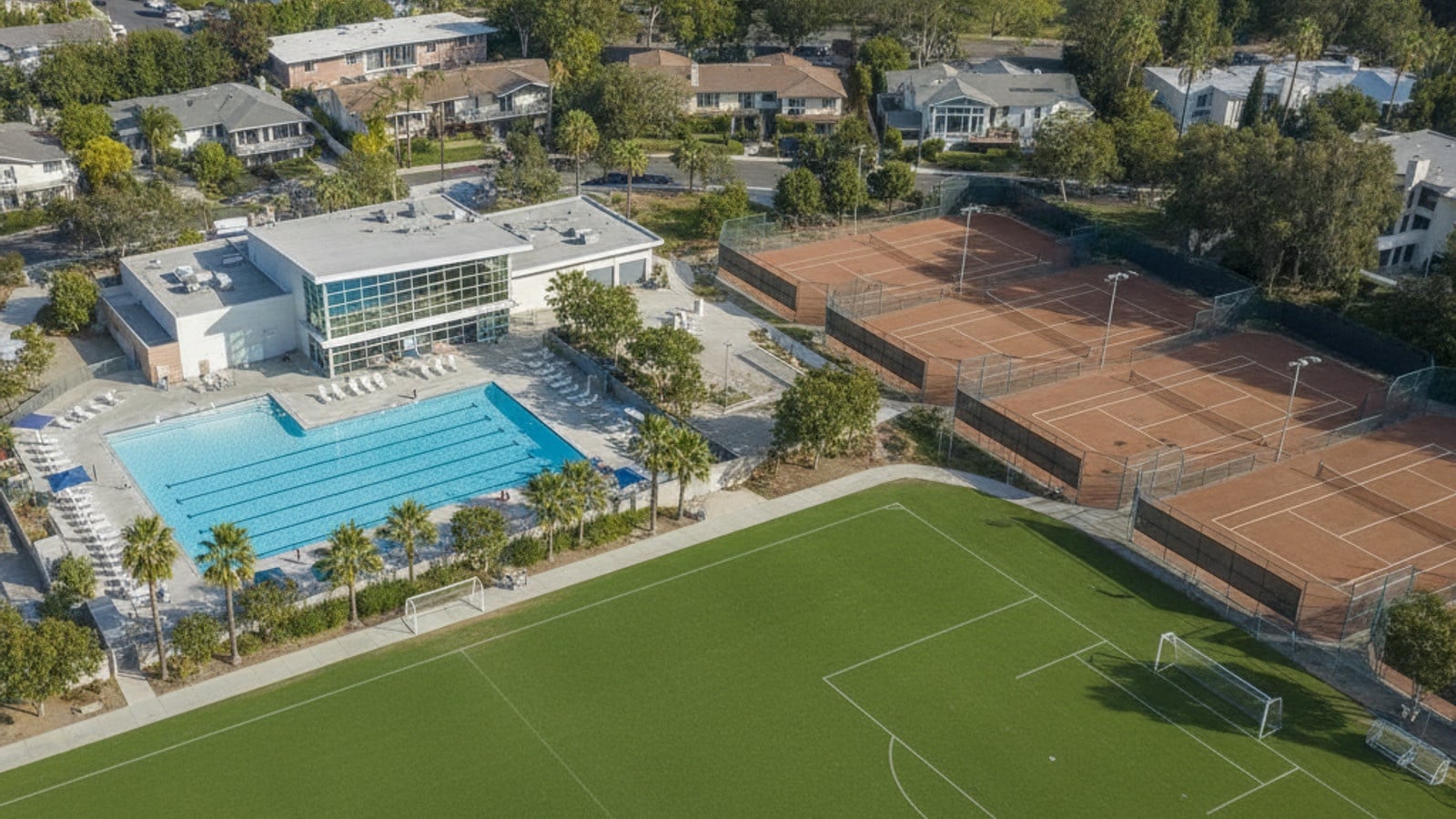
The city maintains several municipal facilities, including Recreation Park and the El Segundo Public Library. Recreation Park serves as a central gathering point, featuring sports fields, tennis courts, and an aquatic center. Downtown El Segundo offers a concentrated stretch of retail and dining along Main Street and Center Street.
Cultural venues add to the local infrastructure. The Old Town Music Hall, a 1920s-era theater, screens classic films and features a massive Wurlitzer theater pipe organ. For outdoor recreation, residents have direct access to the coastline at El Segundo Beach and the adjacent Dockweiler Beach.
A paved coastal bike path runs parallel to the sand, connecting the city to Santa Monica to the north and Redondo Beach to the south. This path provides a dedicated route for cyclists and runners separate from vehicle traffic.
Frequently Asked Questions About Moving to El Segundo
What is the cost of living in El Segundo compared to the rest of California?
Housing expenses drive the cost of living here well above the California state average. With a median home price around $1,600,000, buyers pay a premium for the coastal location and independent municipal services. Everyday expenses like groceries and utilities align closely with the broader Los Angeles County baseline.
How does the Chevron refinery affect the area?
The refinery occupies a massive footprint on the southern edge of the city, bordering Manhattan Beach. It generates substantial tax revenue that funds local municipal services, keeping city infrastructure well-maintained. However, buyers should drive through the neighborhoods near the facility, as the industrial aesthetics and occasional operational noise are noticeable from certain streets.
Check out this article next