

Purchasing a property in the South Bay often requires a substantial budget, with the median home price here hovering around $1.6 million in mid-2026. For many first-time buyers, saving for a standard 20% down payment on a seven-figure property presents a major financial hurdle. Even buyers with strong monthly cash flow often find themselves short on the liquid assets needed to close.
Fortunately, state and county initiatives exist to help lower the barrier to entry. Researching Homebuyer Assistance Programs in El Segundo, CA, reveals several California housing finance options and Los Angeles County programs designed to help with upfront costs. These resources provide the leverage needed to cover down payments and closing costs.
The El Segundo Real Estate Market
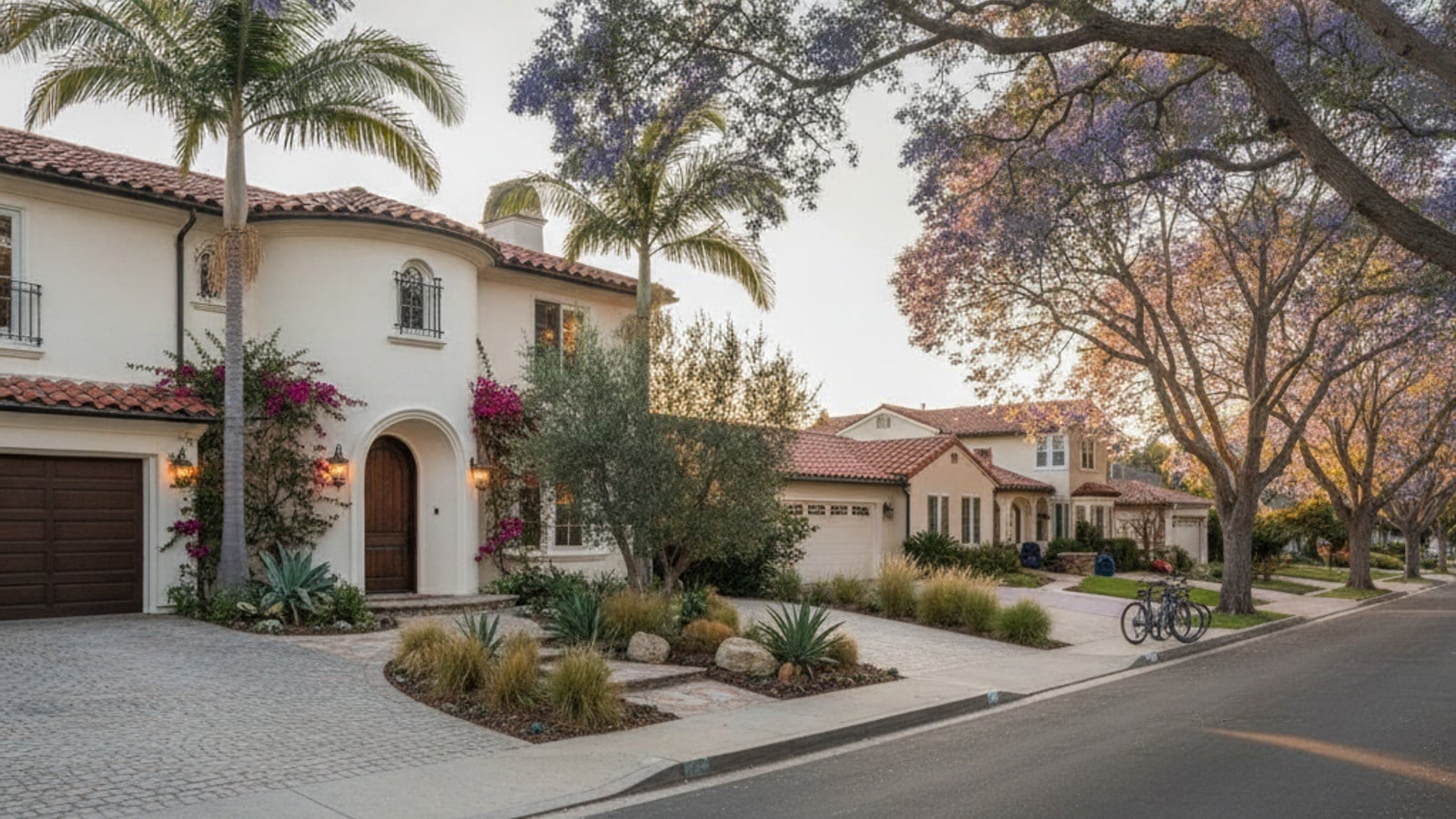
The current housing inventory in this coastal city is primarily split between single-family homes, townhomes, and condominiums. Single-family properties typically command the highest prices, pushing the overall median sale price to approximately $1.6 million this year. This represents a premium market compared to inland areas of Los Angeles County.
Because of these price points, a traditional 20% down payment can easily exceed $300,000. Even with an FHA loan requiring just 3.5% down, buyers still need around $56,000 upfront before factoring in closing costs. Escrow fees, title insurance, and local transfer taxes add thousands more to the final cash-to-close figure.
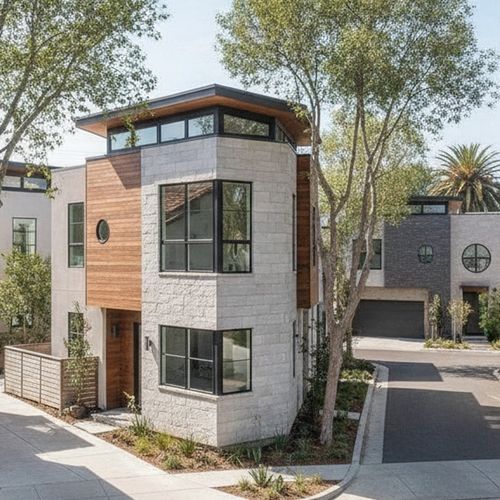
Condominiums and townhomes offer a more accessible entry point for first-time buyers. These attached properties frequently list under the $1 million mark, which matters because many county assistance programs cap the maximum purchase price. Buyers focusing on attached housing often find it easier to qualify for down payment support while still securing a property in their preferred zip code.
Local Commutes and Amenities
Commuters in this part of Los Angeles County typically rely on the I-105 and the Pacific Coast Highway to reach downtown Los Angeles or neighboring business hubs. The drive times vary by time of day, but the immediate highway access cuts down on surface-street traffic. This geographic positioning makes the city a practical home base for professionals working across the South Bay.
The city also hosts a major business district, housing aerospace firms, tech companies, and corporate headquarters. This localized employment base keeps demand for nearby housing steady year-round. Many residents work just minutes from where they live, eliminating the standard Los Angeles freeway commute and giving them more time at home.
Residents have access to local facilities, including the El Segundo Unified School District and expansive outdoor spaces like Recreation Park. The proximity to El Segundo Beach provides year-round coastal recreation. Various local healthcare facilities also operate within a short drive, adding tangible value to the properties here.
Statewide Homebuyer Assistance Options
California offers funding options through the California Department of Housing and Community Development and CalHFA. These statewide initiatives function alongside a traditional first mortgage to reduce out-of-pocket expenses at the closing table. They are specifically designed for low- and moderate-income residents who can afford a monthly mortgage but lack the liquid capital for a down payment.
The CalHFA Dream For All Shared Appreciation Loan is one of the most prominent options available in 2026. The state uses a randomized voucher system to distribute these funds, providing up to 20% of the purchase price or $150,000. The 2026 lottery system requires buyers to register during a specific window, rather than applying on a rolling basis.
Instead of requiring a monthly payment, this functions as a deferred payment loan. Borrowers repay the original amount plus a percentage of the home's appreciation when they sell or refinance the property. This structure allows buyers to maximize their purchasing power without increasing their monthly debt obligations.
Another option is the CalHFA MyHome Assistance Program, which offers a smaller loan specifically for closing costs and down payments. Buyers can combine this with a CalHFA first mortgage to further reduce their initial cash requirements. The MyHome funds are capped at a specific percentage of the purchase price and also operate as a deferred loan.
Los Angeles County Down Payment Programs
Buyers looking within the city limits can also explore funding from the Los Angeles County Development Authority (LACDA). The county's Home Ownership Program (HOP) provides a 0% interest deferred loan to help cover upfront costs. These funds are secured by a second deed of trust on the property.
The county divides this program into two tiers based on the area median income. The HOP80 program offers up to $100,000 or 20% of the purchase price for lower-income brackets. Meanwhile, the HOP120 program provides up to $85,000 for moderate-income buyers who exceed the HOP80 limits but still need financial backing.
Using these county funds requires working directly with an approved participating lender. Buyers should also note that LACDA programs enforce maximum purchase price caps. Because single-family homes in the area often exceed these caps, shoppers will likely need to focus their search on condominiums or townhomes to stay under the limit.
Who Qualifies for Down Payment Help
Underwriters evaluate your gross income, household size, and credit history before approving any assistance. Lenders look at your entire financial picture to ensure you can sustain the monthly mortgage payments over the long term.
While exact requirements vary between the state and county levels, most grants and deferred loans share a similar baseline. You will generally need to meet the following criteria to secure funding:
Income Limits: Your household gross income must fall below the area median income thresholds set by the specific program. These limits scale upward depending on how many people live in the home.
First-Time Buyer Status: Applicants must meet the standard definition of a first-time homebuyer. This typically means you cannot have held an ownership interest in a principal residence during the past three years.
Owner-Occupancy: The property must serve as your primary residence. Investment properties, multi-family rentals, and second homes do not qualify for these funds.
Education Requirements: Before closing, buyers must complete an eight-hour homebuyer education course approved by the United States Department of Housing and Urban Development. This class covers budgeting, loan terms, and the ongoing costs of homeownership.
How to Apply and Secure Funding
Securing state or county funding requires working with a loan officer who is specifically approved to originate CalHFA or LACDA mortgages. Not every retail bank or local credit union participates in these initiatives. You should verify your lender's credentials before starting the pre-approval process.
Your lender will collect documentation to verify your gross income, debt-to-income ratio, and household size. You will need to provide recent pay stubs, two years of W-2s, and current bank statements. Underwriters use this paperwork to prove you fall within the required area median income limits.
Timing is also a major factor, especially for state programs. Because the Dream For All program operates on a lottery voucher system in 2026, buyers should get pre-approved early. Having your file ready ensures you can submit your registration immediately when the portal opens.
Frequently Asked Questions
What is the maximum assistance amount for the LACDA Home Ownership Program?
If your household falls into the 80% area median income bracket, the county caps assistance at $100,000. For those in the 120% bracket, the limit drops to $85,000. In either scenario, the funds cannot exceed 20% of the home's price, and the final amount is tied directly to your lender's underwriting approval.
Does the CalHFA Dream For All program require monthly payments?
No, you do not have an extra monthly bill for this assistance. The state uses a shared appreciation model, meaning you settle the debt in one lump sum when you eventually sell the house or refinance your first mortgage. At that time, you pay back the initial loan amount along with a predetermined cut of the home's increase in value.
Can I use assistance programs for a condominium in El Segundo?
Yes, these programs fully support the purchase of attached properties. Since county initiatives often restrict how much a home can cost to qualify for funding, buying a condo is a practical way to stay below those price ceilings while still securing a property in the South Bay.
Check out this article next