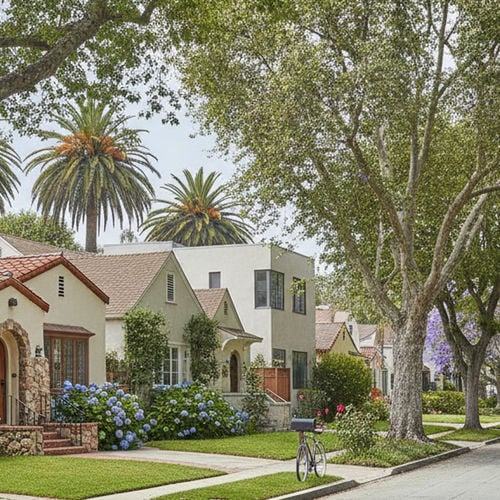


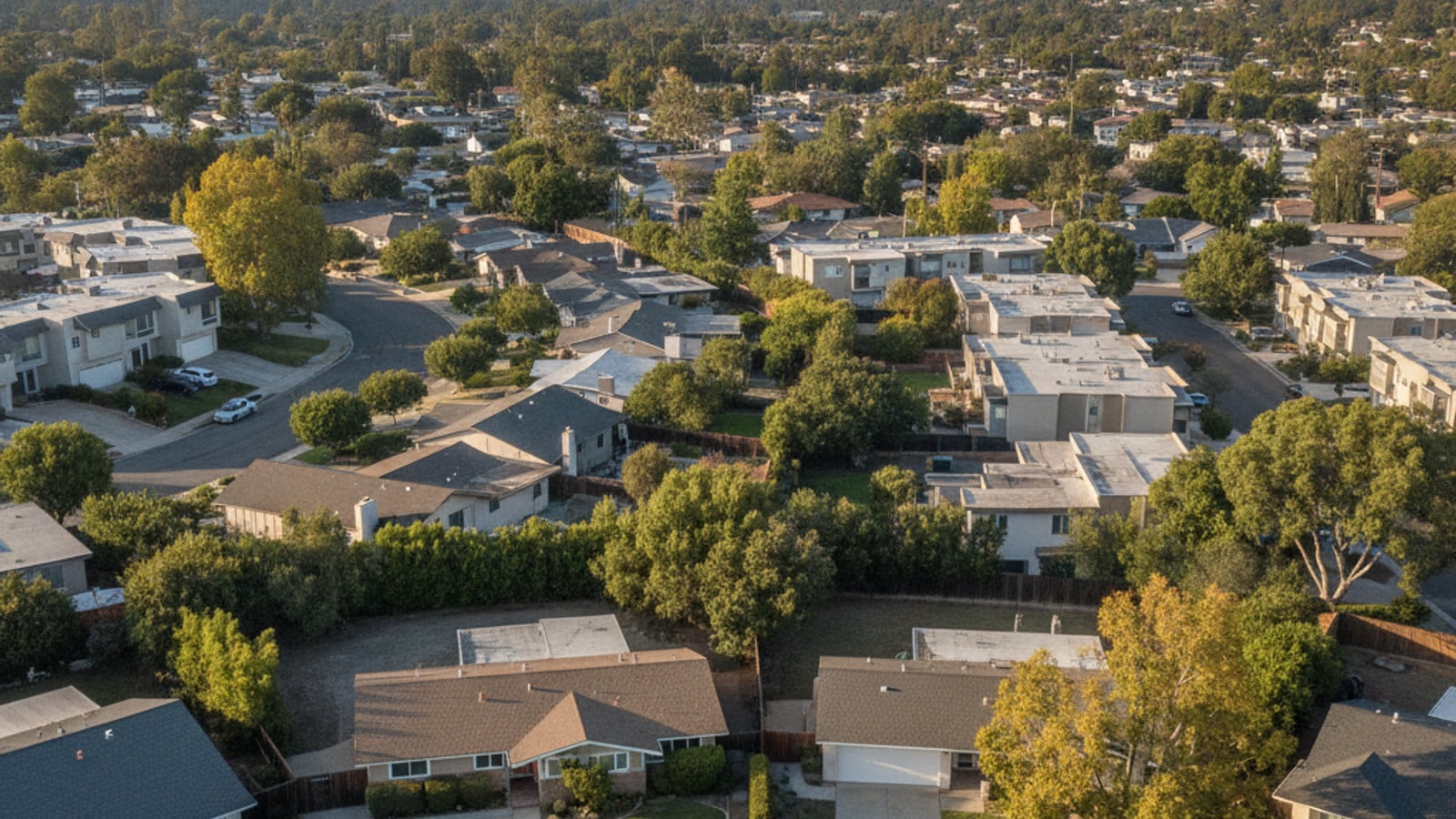
The South Bay region of Los Angeles County offers distinct coastal living experiences, but buyers often find themselves choosing between two major hubs. El Segundo, CA and Torrance, CA sit just a few miles apart, yet they offer completely different real estate markets and daily lifestyles. Both cities provide excellent access to Southern California beaches, major employment centers, and regional transit networks. Buyers often consult the best real estate agent in El Segundo, CA to help compare these two distinct markets.
Deciding where to buy or rent comes down to budget, preferred property type, and daily commute routines. In 2026, the local housing market requires buyers to act quickly on available inventory, especially for detached single-family homes. This guide compares the housing data, commute times, and local amenities of both cities to help you make an informed decision.
Buyers exploring this stretch of the coast often look at neighboring areas like Hawthorne, CA and Redondo Beach, CA for additional context. Comparing the northern end of the South Bay to the southern end reveals distinct differences in pricing and community layout. Understanding these geographic nuances makes it easier to target the right neighborhood for your specific needs.
Geographic Layout of the South Bay
El Segundo occupies a compact 5.5-square-mile footprint immediately south of Los Angeles International Airport (LAX). This coastal town borders the Pacific Ocean to the west, Manhattan Beach, CA to the south, and Hawthorne, CA to the east. Its small geographic size naturally limits new housing development, keeping the residential inventory relatively low year after year.
Torrance covers a much larger area of about 20.5 square miles toward the southern end of the region. It stretches from the Palos Verdes Peninsula all the way up to Redondo Beach, CA, giving it a massive footprint in the South Bay. This expansive size translates to a wider variety of neighborhoods, commercial districts, and property types for buyers to explore.
Buyers comparing these two cities will notice immediate differences in scale, layout, and daily traffic patterns. El Segundo operates as a concentrated, self-contained town with a central Main Street corridor that serves most residents. Torrance functions as an expansive suburban hub with multiple distinct zip codes, large commercial corridors, and a more dispersed population.
Housing Inventory and Current Sale Prices
The median sale price in El Segundo, CA sits at approximately $1,307,500 based on recent 2026 market data. Homes here sell very quickly, spending roughly eight days on the market before going under contract. Buyers should expect intense competition for the limited supply, as homes routinely sell for about 107% of their list price.
Turnover in El Segundo remains low, with recent data showing only about four homes sold in a single tracking period. Available inventory stays tight, with only around 36 active listings available to buyers at any given time. Buyers focusing on this area should have their financing fully approved and be prepared to submit aggressive offers.
Torrance, CA offers a slightly lower entry point, with a median home price hovering around $1,200,000. Because Torrance covers a much larger area, the overall housing inventory is much higher and turnover is more frequent. Buyers will find a diverse mix of mid-century single-family homes, newer townhome complexes, and established condo buildings.
Property sizes and lot configurations also differ noticeably between the two municipalities. Torrance neighborhoods often feature traditional suburban lot sizes with attached two-car garages and spacious front yards. El Segundo properties tend to sit on smaller lots, reflecting the early history of the town as a dense residential hub for local refinery workers.
Property Taxes and Homeowner Association Dues
Buyers should account for local property tax rates when calculating their total monthly housing payments. The effective property tax rate in El Segundo is roughly 1.13% of the assessed property value. In Torrance, the effective rate runs slightly higher at approximately 1.19% of the home's assessed value.
Homeowner association (HOA) dues add another layer to monthly housing costs, particularly in the southern part of the region. Torrance has a large supply of planned townhome communities and condo buildings that require monthly HOA fees. Buyers looking at these attached properties should factor these dues into their budget, as they cover exterior maintenance and shared community amenities.
Commute Times and Transit Options
Most South Bay residents rely on the 405 and 110 freeways to reach downtown Los Angeles or the westside employment hubs. El Segundo sits directly adjacent to the 105 and 405 interchange, offering immediate freeway access for daily commuters. Driving from El Segundo to downtown Los Angeles typically takes 30 to 45 minutes, depending on the time of day.
Commuting from Torrance to downtown requires an extra 15 to 20 minutes on the highway, pushing the drive to 45 to 60 minutes during peak traffic. Drivers leaving Torrance have to take local surface streets for several miles before merging onto the 405 or 110 freeways. This added distance makes a noticeable difference for residents who commute north five days a week.
Proximity to LAX stands out as another major differentiator for frequent travelers and airline employees. El Segundo borders the airport, allowing residents to reach the terminals in under 10 minutes via surface streets. Torrance sits further south, meaning the drive to LAX generally takes 20 to 30 minutes in normal traffic conditions.
Travelers using Uber or other rideshare services will pay a premium for travel time from Torrance compared to the short hop from El Segundo. Public transit options also differ, with El Segundo sitting near the Metro C Line for light rail access. Torrance operates its own municipal bus system, Torrance Transit, which connects to regional hubs and the broader Los Angeles Metro network.
Local School District Boundaries and Facilities
The El Segundo Unified School District serves the immediate 5.5-square-mile area of the city. This localized district operates two elementary schools, one middle school, and one high school for the entire community. The smaller student population allows for concentrated facility management and a unified community schedule.
The Torrance Unified School District manages a much larger educational infrastructure to support its larger population. It serves thousands of students across 17 elementary schools, eight middle schools, and four high schools. This expansive footprint means buyers should verify the specific school boundaries for any property they consider purchasing.
Both districts border other major educational zones in the South Bay, which can impact property values on the boundary lines. Torrance shares boundaries with the Redondo Beach Unified School District and the Palos Verdes Peninsula Unified School District. Families moving to the area should map out these boundaries early in their housing search to ensure they target the right neighborhoods.
Parks, Beach Access, and Local Shopping
Coastal access defines the South Bay lifestyle, and both cities offer direct routes to the Pacific Ocean. El Segundo features its own stretch of sand at El Segundo Beach, located just past the coastal power plant and water treatment facility. Torrance Beach sits at the southern end of the city, providing a wide, sandy coastline that borders the Palos Verdes Peninsula.
Both of these coastal access points connect directly to the Marvin Braude Bike Trail. This paved path runs continuously along the coast, allowing residents to bike from Torrance all the way up to Santa Monica. Beach parking in both cities requires a local permit or daily fee, though residents often walk or bike to the sand.
Inland green spaces provide daily recreation options for residents who want to stay away from the coastal crowds. Recreation Park serves as the central gathering spot in El Segundo, offering sports fields, tennis courts, and a large community pool. Columbia Park in Torrance spans over 50 acres, providing extensive walking paths, soccer fields, and community garden plots.
Retail and dining options vary dramatically in scale between the two locations. Torrance houses the Del Amo Fashion Center, a massive retail hub featuring major department stores and numerous places to dine. El Segundo offers a more localized commercial experience, with independent restaurants, breweries, and boutique shops clustered along Main Street.
Renting vs. Buying in the South Bay
Not everyone moving to the South Bay is ready to purchase a home immediately. Renters looking at El Segundo will find a limited supply of single-family homes for lease and a handful of apartment buildings near the downtown sector. Monthly rent in El Segundo carries a premium due to the small footprint of the city and high demand from aerospace professionals.
Torrance offers a much broader rental market, making it easier to find an apartment or townhome on short notice. Large apartment complexes line the major commercial corridors, providing amenities like community pools and fitness centers. The diverse housing stock in Torrance allows renters to find options across a wider spectrum of price points.
Renting in either city provides a practical way to test the commute times and neighborhood dynamics before committing to a purchase. Prospective buyers often lease a property for a year to determine if they prefer the localized feel of El Segundo or the expansive amenities of Torrance.
Weighing the Benefits and Drawbacks of Each City
Choosing El Segundo provides distinct advantages for specific types of buyers in the Southern California market. The immediate proximity to LAX and major freeways cuts down on daily travel time for commuters and frequent flyers. The city also maintains a small-town atmosphere that many residents prefer over large suburban grids.
The primary drawback of El Segundo is the high cost of entry and the persistent lack of housing supply. With a median price over $1.3 million and very few active listings, buyers face intense competition for every available home. Residents also experience frequent airplane noise generated by the neighboring airport runways, which is a permanent fixture of the local environment.
Torrance offers a more accessible entry point for buyers, with median prices sitting near $1.2 million. The sheer size of the city provides a much larger inventory of single-family homes, condos, and townhomes to choose from. Residents also benefit from extensive retail infrastructure, meaning they rarely have to leave the city limits for shopping or entertainment.
On the downside, living in Torrance usually means a longer daily commute to central Los Angeles. Drivers heading north to the westside face an extra stretch of the 405 freeway, which adds noticeable time to the workweek. The city's massive footprint also means some neighborhoods sit several miles inland, requiring a longer drive to reach the beach compared to coastal El Segundo.
Frequently Asked Questions
Which city is more affordable for homebuyers in 2026, El Segundo or Torrance?
Buyers stretching their budget often find Torrance a better fit, as its extensive supply of condos and townhomes provides options well below the city's $1.2 million median. El Segundo's limited footprint primarily consists of single-family homes, pushing its baseline pricing past $1.3 million and restricting lower-cost entry points.
How long does it take to commute between El Segundo and Torrance during rush hour?
Driving between the two cities usually takes 25 to 40 minutes during peak afternoon traffic. The distance is only about 10 miles, but congestion on the 405 freeway or Pacific Coast Highway slows the trip down. During off-peak hours, the same drive takes less than 20 minutes.
Are there coastal properties with beach access in Torrance like there are in El Segundo?
Yes, the Hollywood Riviera neighborhood in Torrance sits directly adjacent to Torrance Beach. This area offers hillside homes with ocean views and direct pathways down to the sand. While El Segundo has its own beach, residential properties sit further inland behind commercial and industrial zones.
How do property taxes and average HOA fees compare between El Segundo and Torrance?
A home assessed at $1.2 million generates roughly $13,560 in annual property taxes in El Segundo versus $14,280 in Torrance. Buyers looking south must also factor in recurring HOA dues, as the dense supply of attached communities in Torrance adds monthly costs that are less common in El Segundo's detached neighborhoods.
What are the main differences for families comparing the El Segundo Unified and Torrance Unified school districts?
El Segundo consolidates its student body into four main campuses, fostering a centralized community schedule. In contrast, Torrance supports 29 distinct campuses, which allows for specialized academic and athletic programs across its four large high schools but requires parents to carefully map boundary lines.
What is the biggest pitfall buyers face when dealing with low housing inventory in El Segundo versus Torrance?
Bidding wars define the El Segundo market, where limited supply routinely pushes final sale prices to 107% of the original list price. While Torrance provides a larger pool of active listings, buyers seeking turnkey single-family properties there still encounter multiple-offer scenarios that demand fully underwritten pre-approvals.
Check out this article next