

Hermosa Beach, CA is sitting at a median home sale price around $2,648,000 right now, with properties moving in roughly 23 days. If you're shopping here, chances are you've already figured out that most of the real decision comes down to two of the best neighborhoods in Hermosa Beach: East Hermosa or the Sand Section.
That choice shapes more than your address. It shapes your morning routine, your commute, what kind of property you can realistically afford, and how much quiet you can expect on a Saturday in July. These two neighborhoods take genuinely different approaches to coastal living, and it's worth understanding what you're actually trading before you're sitting across the table signing something.
Comparing Home Prices and Market Trends
Homes in Hermosa Beach are selling for about 101% of list price on average. Inventory is tight - about 59 active listings and a 3.6-month supply. Fifty homes sold in a single month recently, which tells you demand isn't softening. The Sand Section generally runs at a higher price point than East Hermosa, and that gap is directly tied to how close you are to the water.
Price-per-square-foot will vary depending on your exact block, so don't anchor too hard to citywide numbers when you're evaluating a specific property. Homes east of Pacific Coast Highway (PCH) tend to offer a lower entry point than those sitting steps from the sand.
Buying in East Hermosa
East Hermosa gives buyers a way to stretch their purchasing power in a market that doesn't leave much room to stretch. The further inland position means a lower price per square foot than comparable properties closer to the ocean, which translates into different options - more square footage, different property types, occasionally a better lot.
The market still moves fast. Days on market here tracks with the citywide median of 23 days, so don't mistake "lower entry point" for "easier offer."
Buying in the Sand Section
The Sand Section is the premium tier, full stop. You're paying for location - immediate beach access, proximity to Pier Avenue, the whole thing - and that premium is baked into every offer.
With a city-wide sale-to-list ratio of 1.01, well-priced Sand Section homes are not sitting around waiting for a lowball. Multiple-offer situations are common, and buyers who aren't prepared for that tend to learn it the hard way.
Housing Styles and Architecture
Hermosa Beach has a mix of single-family homes and multi-family structures, but what's available to you depends on which side of the city you're looking at. The two areas developed differently, and that history is visible in the building stock today.
Your plans for the property - primary residence, investment, short-term hold - should factor into which architectural reality fits your needs.
East Hermosa Property Types
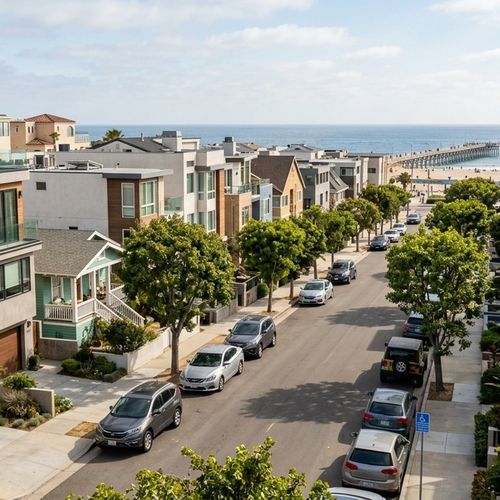
East Hermosa is predominantly single-family homes on traditional residential streets. The topography here includes rolling hills, which means some properties pick up ocean views even without being anywhere near the water. Lots tend to run larger, and you'll find more attached garages, wider driveways, and actual front yards than you will closer to the coast.
If those features matter to you, this is where to look.
Sand Section Property Types
The Sand Section leans heavily toward multi-family properties, townhomes, and vertically designed single-family homes. Land costs what it costs near the ocean, so builders go up instead of out. Rooftop decks and balconies are common - that's how you capture the views and breezes when your footprint is constrained.
Expect tighter parking and smaller setbacks from the street. That's not a flaw in any particular listing; it's just how the neighborhood is built.
Lot Sizes and Housing Density
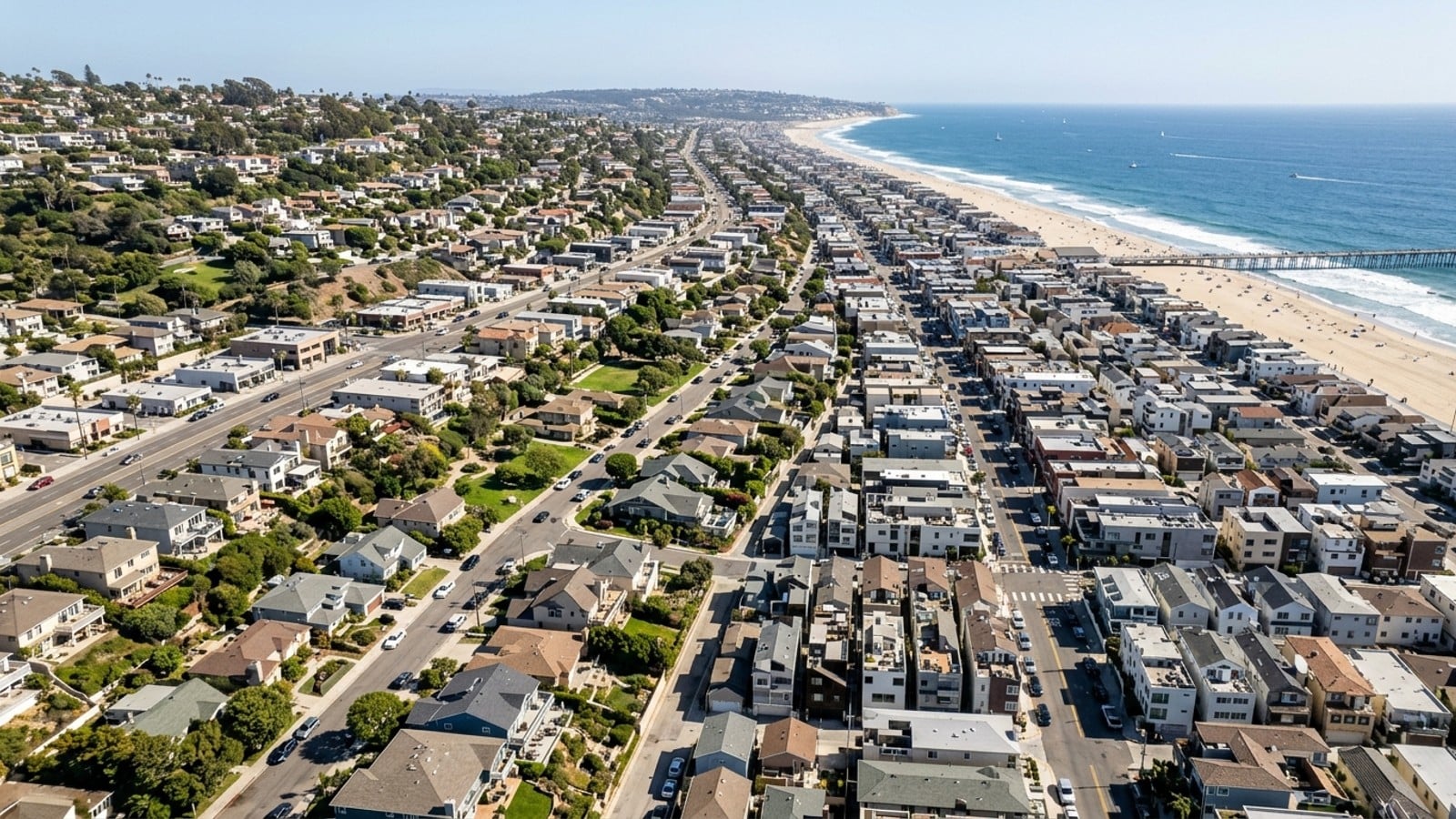
Smaller parcels, homes built closer together, less private outdoor space - that's the Sand Section. It's denser by design, and the street-level energy reflects that.
East Hermosa runs in the other direction. Larger lots, more room between structures, better odds of a private backyard or space to expand. If outdoor square footage is on your must-have list, the inland side of Hermosa Beach is where you'll find it.
The density in the Sand Section isn't necessarily a negative - it creates a more active street environment that some buyers genuinely want. But buyers who are picturing a quiet yard and room to breathe should be honest with themselves about where that actually exists in this city.
Geography and Beach Proximity
The Sand Section borders the Pacific Ocean. Pier Avenue and the commercial corridor are right there. That immediacy is what drives the real estate values, and it's not something you can replicate from a few blocks east.
East Hermosa sits east of PCH. The beach is still accessible, but getting there means crossing that highway and covering more ground - and for daily use, that distance adds up. A lot of East Hermosa residents bike or drive rather than walk.
That said, the elevation in East Hermosa creates something the Sand Section can't always deliver: panoramic views. Homes on higher ground in East Hermosa sometimes look out over a wider swath of ocean than properties sitting flat on the coastal blocks, where neighboring buildings do a good job of blocking whatever view might otherwise exist.
Choosing Your Hermosa Beach Location
With 3.6 months of supply, you don't have the luxury of extended deliberation in this market. The inventory moves, and hesitation tends to cost you the house.
If walking to the beach and Pier Avenue matters to you daily, target the Sand Section - but go in clear-eyed about smaller lots, denser streets, and competitive offers. If you want more space, more quiet, and a larger lot, East Hermosa is the more realistic fit.
A local agent who knows the inventory in both areas will help you move quickly when something right comes up. In a market running 23 days on average, that relationship is worth more than most buyers expect.
Frequently Asked Questions
How much of a price premium will I pay to live in the Hermosa Beach Sand Section compared to East Hermosa?
The Sand Section runs consistently higher than East Hermosa. The citywide median sale price sits around $2,648,000, but homes directly adjacent to the beach carry an additional premium on top of that. Expect to pay more per square foot for anything west of PCH.
Is it realistic to walk to the beach and Pier Avenue every day if I buy a house in East Hermosa?
It depends on your exact address and how much walking you're actually willing to do. East Hermosa is east of Pacific Coast Highway, so you're crossing a major road and covering more distance before you reach the sand or Pier Avenue. A lot of residents end up biking or driving for daily beach access rather than walking.
Do homes in East Hermosa offer better ocean views than properties right in the Sand Section?
In some cases, yes. The rolling hills and higher elevations in East Hermosa give certain homes genuinely panoramic ocean views. On the flat streets of the Sand Section, neighboring buildings frequently block the view unless you're sitting right on the beachfront.
How much worse is the street parking and summer noise in the Sand Section versus east of PCH?
The Sand Section is denser, draws more summer visitors, and has tighter street parking - that's just the reality of being close to the water. East Hermosa generally offers quieter residential streets and easier parking. If high seasonal activity is a dealbreaker for you, that's worth weighing before you fall in love with a Sand Section listing.
What are the differences in average lot sizes and building restrictions between East Hermosa and the Sand Section?
East Hermosa typically has larger lots with more conventional front and back yards. The Sand Section operates under denser building restrictions - smaller parcels, homes built closer to the property lines, interior space maximized because exterior space is limited.
Which Hermosa Beach, CA neighborhood historically holds better resale value during a real estate downturn?
Both areas benefit from the city's coastal demand and the tight inventory - currently at a 3.6-month supply. Sand Section properties tend to hold strong demand regardless of broader market conditions, largely because proximity to the ocean is genuinely irreplaceable.
Check out this article next