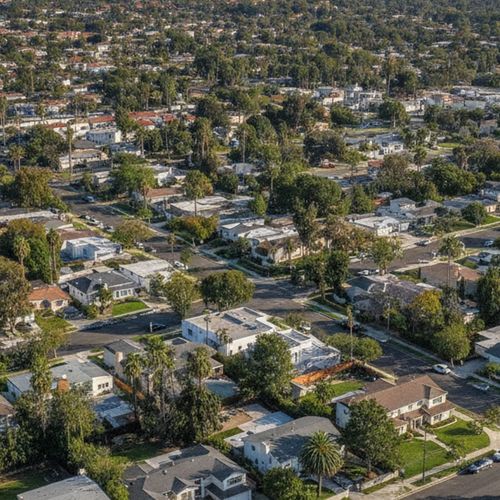


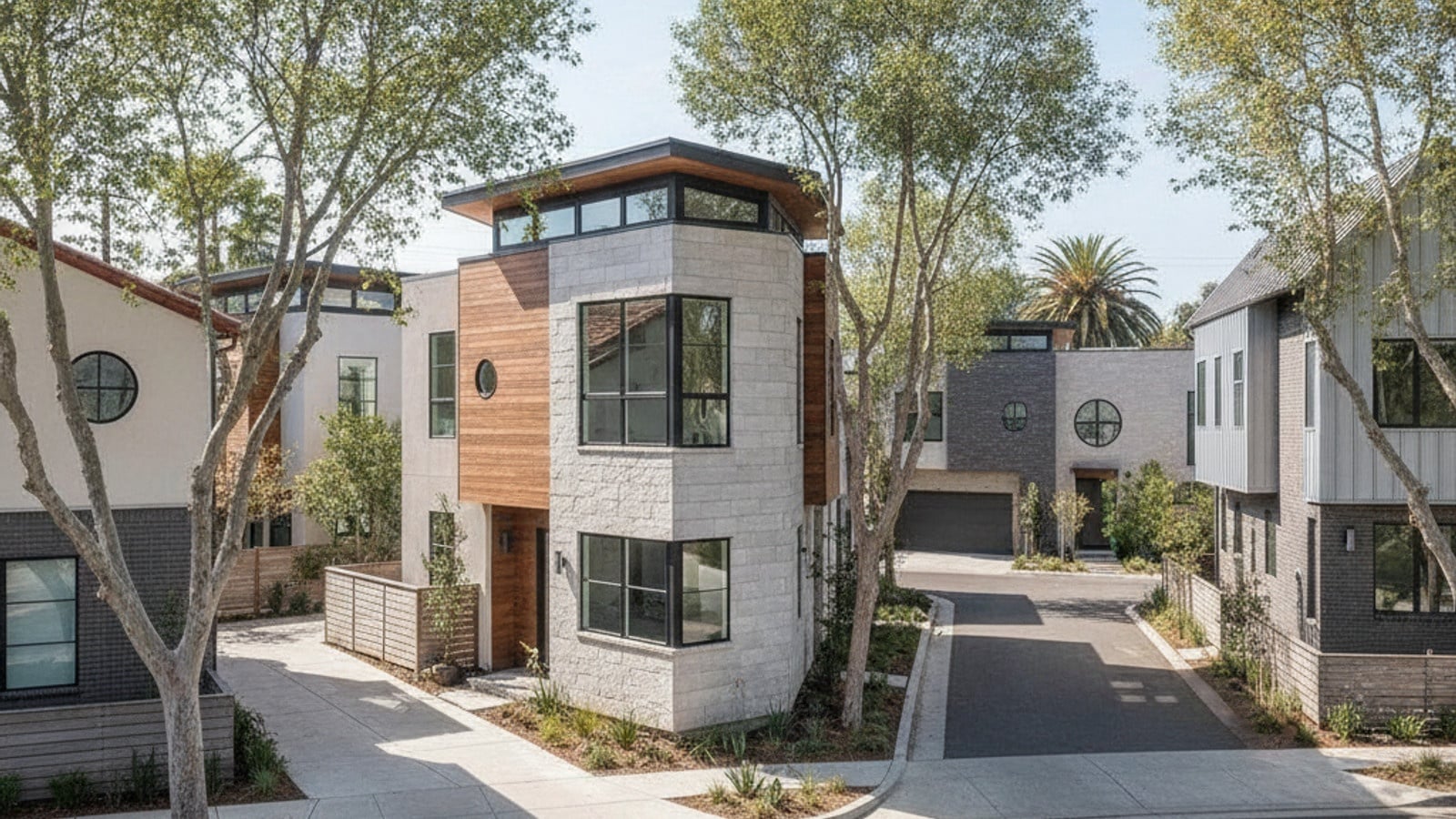
The median home price in El Segundo, CA currently hovers around $1,600,000. Purchasing a property in this coastal Los Angeles County city requires a clear understanding of both the local housing inventory and the specific financing tools available to new buyers.
While single-family homes dominate the upper end of the market, entry-level townhomes and condominiums offer a more accessible starting point. Buyers entering the market this year will find that properties move quickly off the Multiple Listing Service, making pre-approval and market readiness essential.
Current Property Prices and Housing Inventory
Single-family homes in El Segundo consistently command premium prices, with most standard properties listing near that $1,600,000 median mark. Buyers looking for more affordable entry points should focus their search on condominiums and townhomes. These attached properties typically list between $1,000,000 and $1,200,000.
The local housing inventory remains tight throughout 2026. Homes priced accurately tend to spend very few days on the market before going under contract. Buyers competing for these entry-level properties should expect multiple offers, especially on updated townhomes near the center of town.
Compared to neighboring Los Angeles County communities, El Segundo maintains a distinct price premium due to its coastal proximity and independent infrastructure. While areas further inland might offer lower purchase prices, they lack the immediate access to El Segundo Beach and the specific local amenities this city provides.
State and County Financing Options
Several state and local funding sources exist to help cover the down payment and closing costs for a first home. The California Dream For All Shared Appreciation Loan provides up to 20 percent of the purchase price or $150,000, whichever is less. This program helps reduce the primary mortgage amount and removes the need for private mortgage insurance.
At the county level, the Los Angeles County Development Authority offers the Home Ownership Program. This initiative provides a second mortgage loan of up to $100,000 or 20 percent of the purchase price to eligible buyers. These funds function as a deferred-payment subordinate loan, meaning you do not make monthly payments on this specific balance until the home is sold or refinanced.
These assistance programs typically pair with conventional loans or an FHA first mortgage loan. A participating lender will structure the financing so the assistance acts as a silent second mortgage. Buyers should compare the loan terms of both state and county options to see which provides the best long-term benefit for their specific purchase price.
Who Qualifies for Down Payment Assistance
These programs evaluate applicants based on household income, credit history, and past homeownership status. For the California Dream For All program in Los Angeles County, the maximum household gross income is currently capped at $168,000 for 2026. Lenders will look at the combined income of everyone who will live in the property, not just the primary applicant.
Credit score minimums also apply across the board. Most participating lenders require a baseline credit score between 640 and 680 to process the first mortgage and the accompanying assistance loan. Buyers with scores below this threshold should focus on debt reduction and credit repair before applying.
Here are the primary rules applicants must meet to secure these funds. Your loan officer will verify each of these items during underwriting:
You must be a first-generation homebuyer to qualify for the state shared appreciation program.
The property must be owner-occupied as your primary residence.
All applicants must complete a HUD-approved homebuyer education class before closing.
Getting Around Town and Commuting to Los Angeles
El Segundo sits about 18 miles southwest of downtown Los Angeles, making it a popular base for commuters. Driving into the city takes about 20 to 35 minutes during off-peak hours. However, buyers should plan for that same drive to take up to 85 minutes during peak morning and evening rush hours.
The city offers immediate access to several major regional highways. The I-105 and I-405 freeways border the city, providing straightforward routes to the rest of Southern California. The Pacific Coast Highway also runs directly through the area, serving as a scenic alternative for local coastal travel.
Public transit options have expanded, offering alternatives to daily driving. The Metro C Line and Metro K Line connect residents to the broader Los Angeles rail network. Additionally, the city borders Los Angeles International Airport, which is convenient for frequent travelers but does introduce regular air traffic noise to certain neighborhoods.
Local Schools, Parks, and Daily Amenities
The El Segundo Unified School District serves the immediate community, operating independently from the massive Los Angeles Unified system. The district boundaries align closely with the city limits, keeping the student population localized. Specific facilities within this network include Center Street Elementary and El Segundo High School.
Public recreation spaces are scattered throughout the city grid. Recreation Park serves as a central hub for community sports and outdoor activities, while El Segundo Beach provides direct ocean access for residents. The city maintains these public areas year-round, ensuring consistent access to outdoor amenities.
Daily necessities and healthcare are easily accessible without leaving the city limits. Several local clinics and urgent care centers operate within El Segundo, CA, while major regional hospitals are located just minutes away in neighboring South Bay communities. Residents do not have to travel far for medical services or routine shopping.
Frequently Asked Questions
Is California giving up to $150,000 to help first-time homebuyers?
Yes, the California Dream For All program caps its shared appreciation loan at $150,000 or 20 percent of the purchase price. These program funds are designed to cover the down payment and lower your monthly mortgage payment. You will repay the original loan amount plus a share of the home's appreciation when you eventually sell the property.
How do I qualify for first-time homebuyer programs in California?
Eligibility depends on your household income, credit score, and whether you plan to live in the home full-time. You must work with an approved loan officer who will verify your financial documents against the county limits. Applicants also must attend a certified homebuyer education course before the loan can be funded.
How much do first-time homebuyers have to put down in California?
Standard conventional loans typically require a minimum down payment of 3 to 5 percent, while FHA loans require 3.5 percent. If you utilize a state or local payment assistance program, you can often cover this entire requirement without using your own savings. Buyers should still keep cash on hand for appraisal fees, inspections, and moving costs.
Check out this article next