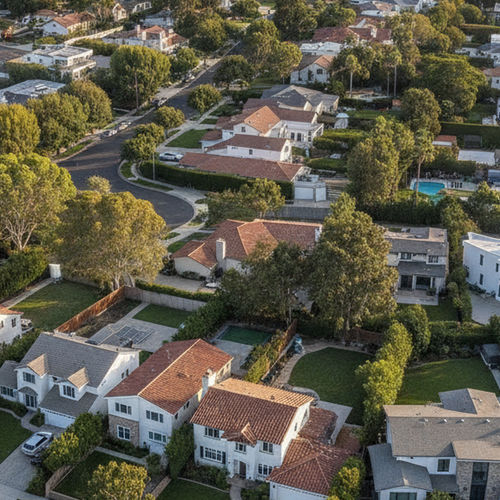


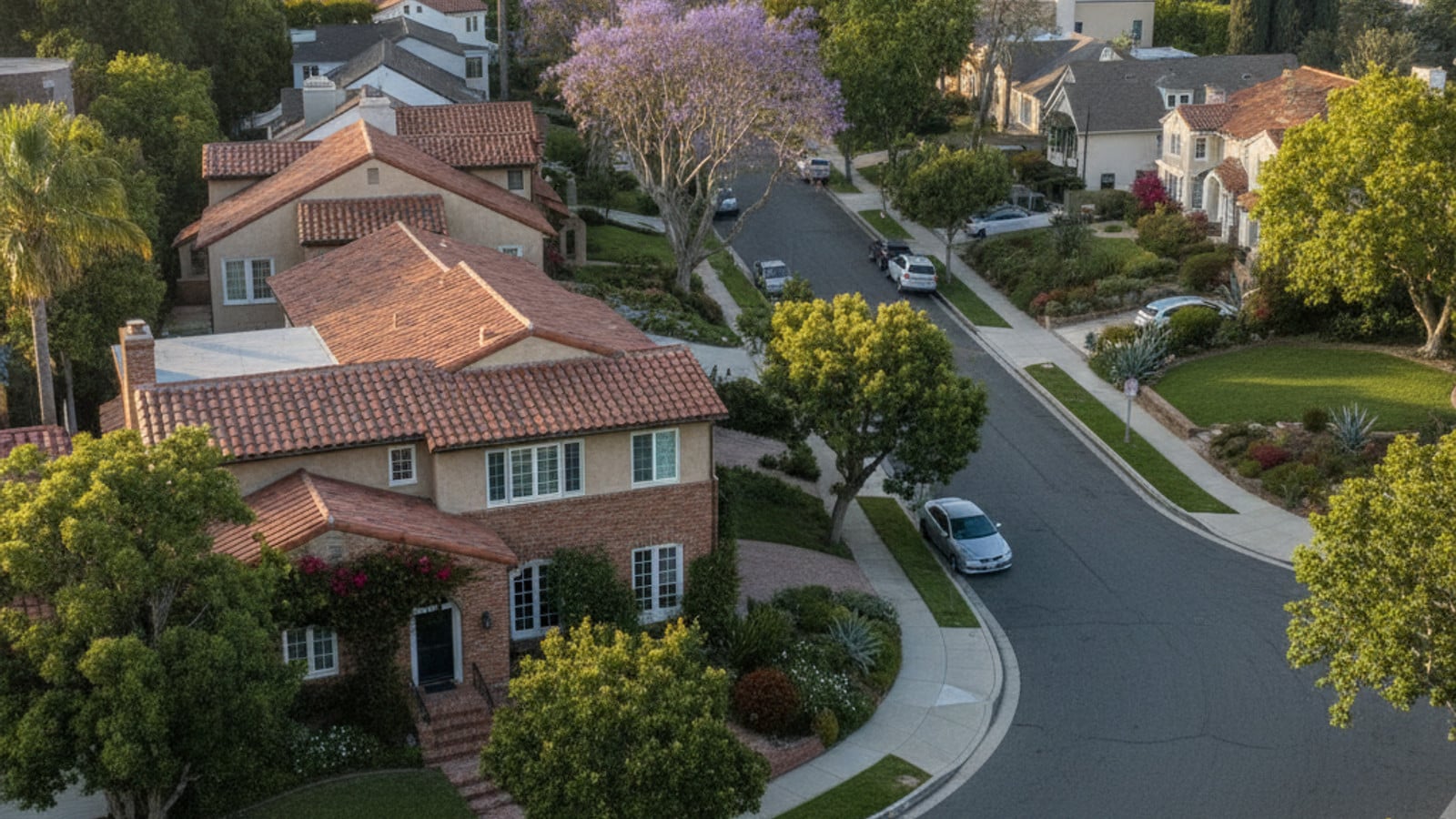
The median sale price in El Segundo, CA sits around $1,307,500, and homes here aren't exactly lingering - listings are spending roughly eight days on the market and often selling for 7% over asking. That's a fast transaction by any measure if you plan to sell your home in El Segundo, CA.
When deals move that quickly, the paperwork has to keep up. The seller disclosure statement isn't optional, and it isn't a formality. It's a legally required document that maps out the physical condition of the property and any known issues - protecting the seller from future liability while giving the buyer a clear picture of exactly what they're purchasing.
Understanding the Seller Disclosure Statement
In California, the primary disclosure document is the Real Estate Transfer Disclosure Statement - the TDS. That's the form where the current homeowner details the condition of the property in their own handwriting. It's a statutory requirement, not something your agent can fill out for you.
You'll sometimes hear it called an SPD (Seller Property Disclosure) or SRPD (Seller's Real Property Disclosure). The acronym changes depending on who you're talking to, but the obligation is the same: document what you know.
What SRPD and SPD Mean for You
When agents talk about what is SRPD in real estate, they're describing the standardized forms sellers use to report property conditions. In California, the TDS is the statutory requirement for residential sales of one to four units.
You'll go through everything from the age of the roof to whether the sprinkler system works. Buyers use that information to budget for repairs or ask for concessions before closing - so what you put on the form has real consequences for how negotiations play out.
Why These Forms Protect Both Parties
Disclosures keep problems from surfacing after the sale closes. A seller who lays out all known issues upfront significantly reduces the risk of a buyer coming back later with a lawsuit over a hidden defect.
For buyers, it's a transparent look at the home's history before they're committed. That's worth something.
California Real Estate Disclosure Laws
Under California Civil Code §1102 et seq., sellers of residential property - one to four units - must disclose known material defects. That means any issue that could affect the property's value or desirability. The TDS isn't a warranty; it's a record of what you know at the time of sale. You can't just check boxes without reading the prompts.
Mandatory Forms and the Transfer Disclosure Statement
The TDS is the centerpiece of California's residential disclosure requirements. Alongside it, sellers typically complete a Seller Property Questionnaire (SPQ) - a standard California Association of Realtors form.
Homes built before 1978 also require a Lead-Based Paint disclosure. And depending on location, sellers may need to provide a Local Option Real Estate Transfer Disclosure Statement (LORETDS) to address neighborhood-specific conditions.
Exemptions, As-Is Sales, and Legal Penalties
Listing a home "as-is" means you won't make repairs. It does not mean you're off the hook on disclosures. You still complete the TDS and you still list what you know.
Some transactions - probate sales, transfers between spouses - may be exempt from the standard TDS requirement. But in a standard sale, failing to disclose a known defect can lead to lawsuits for fraud or breach of contract. The penalties are serious.
Is California a Non-Disclosure State?
This one comes up more than you'd think. Some buyers and sellers hear "non-disclosure state" and assume it has something to do with hiding property defects. It doesn't.
A non-disclosure state is one where the final sale price is kept out of public records. California is neither a non-disclosure state for sale prices nor for property conditions. Final sale prices are recorded publicly at the county level and show up in tax records.
Sale Price vs. Property Condition
When a home sells in El Segundo, the price becomes public record. Appraisers and agents use that data to establish comparable sales for future transactions.
The TDS and other condition reports are an entirely different matter - private documents shared only between the buyer, the seller, and their respective agents. The price is public; the disclosure paperwork isn't.
How This Impacts El Segundo Buyers
Because California records sale prices publicly, you have access to accurate historical data when you're making an offer. That transparency helps you understand what the market is actually doing.
The binding property condition disclosure laws then handle the other side of the equation - you know what you're getting into physically, not just financially.
The Real Property Disclosure Form Details
The real property disclosure form isn't a general overview. Sellers go room by room, system by system - indicating whether specific features like a pool or a sump pump exist and whether they're in working order. Past repairs, alterations, and environmental hazards all have to be addressed. There's not much room for vagueness.
Structural Conditions and Known Defects
The TDS asks about significant defects or malfunctions in the home's structure: foundation, roof, plumbing, electrical, walls. If you know the roof leaks when it rains hard, you put that on the form. Unpermitted work and major renovations completed during your ownership need to be disclosed as well.
Environmental and Hazard Disclosures
The Natural Hazards Disclosure Act - California Civil Code §§1103-1103.14 - requires sellers to provide a Natural Hazard Disclosure Statement (NHDS) if the property sits in a state-mapped hazard zone. The NHDS covers six specific hazards: Special Flood Hazard Areas, Dam Inundation Areas, Very High Fire Hazard Severity Zones, State Responsibility Areas for wildland fires, Earthquake Fault Zones, and Seismic Hazard Zones. Most sellers order this report from a third-party provider to make sure it's accurate.
Disclosure Deadlines and the Transaction Timeline
California Civil Code §1102.3(a) says sellers must deliver the TDS and related disclosures to the buyer "as soon as practicable before transfer of title." There's no specific hour-by-hour deadline spelled out in the law, but standard practice is clear: get them out early. The listing broker is responsible for making sure the documents reach the buyer in time. Drag your feet on delivery, and you risk holding up closing - or handing the buyer a statutory right to walk.
When Sellers Must Deliver the Paperwork
Prepare your disclosure packet before you list, or immediately after you accept an offer. Waiting until the end of escrow isn't just bad form - it violates the expectation of early delivery baked into California law.
Getting the paperwork to the buyer early gives them time to review everything before scheduling their own inspections. That keeps contingency periods running on schedule instead of stacking up at the end.
Buyer Rescission Windows
If you deliver the TDS or a material amendment after the buyer has already signed the purchase offer, they get a statutory right to cancel. Under Civil Code §1102.3(b), they can walk without penalty. The window is three days if the disclosure is delivered in person, five days if it goes by mail or electronically. The same timeline generally applies to the Natural Hazard Disclosure Statement.
Los Angeles County Recording Rules
Once the sale is finalized, the deed is recorded with Los Angeles County. The county requires original signatures (unless a certified copy is used), the requesting party's return address, and proper acknowledgment. A documentary transfer tax applies when recording grant or quitclaim deeds.
One thing worth knowing about El Segundo specifically: the City of Los Angeles requires a '9A Report' for point-of-sale, but El Segundo is an independent city operating under its own municipal code - that Los Angeles requirement doesn't automatically carry over.
Frequently Asked Questions
Do I have to disclose LAX airplane noise or the Chevron refinery when selling a house in El Segundo?
Yes. California law requires sellers to disclose known material facts that affect the value or desirability of the property, which often includes neighborhood nuisances like significant noise or industrial proximity. You'll typically use the Seller Property Questionnaire (SPQ) to note these local conditions.
Does the City of El Segundo require a pre-sale residential report or city inspection before closing?
It depends on specific municipal updates, but El Segundo operates independently from the City of Los Angeles, which requires the '9A Report'. El Segundo follows its own municipal code, so verify any current local point-of-sale requirements with your agent or the city directly.
How many days after accepting an offer do I have to provide the Transfer Disclosure Statement to a buyer in El Segundo, CA?
California law requires delivery "as soon as practicable before transfer of title" rather than a strict number of days. That said, if you deliver it after the buyer signs the offer, they have a three-day window to cancel if it's delivered in person, or five days if it's sent by mail or electronically.
Who typically pays for the Natural Hazard Disclosure (NHD) report in an El Segundo real estate transaction?
The seller typically pays for the Natural Hazard Disclosure Statement. Most sellers order it from a third-party NHD provider for a fee to make sure the requirements of the Natural Hazards Disclosure Act are properly met.
What happens if I sell my El Segundo home 'as-is' but fail to disclose a known foundation issue or past leak?
Selling "as-is" doesn't exempt you from California's disclosure laws. If you fail to disclose a known material defect - a foundation issue, a leak - on the Real Estate Transfer Disclosure Statement, you're exposed to severe legal penalties, including lawsuits for fraud.
Are inherited or probate properties in El Segundo exempt from standard California seller disclosure requirements?
Certain probate sales are exempt from providing the standard Real Estate Transfer Disclosure Statement. However, the seller or executor must still disclose any material defects they're personally aware of.
Check out this article next