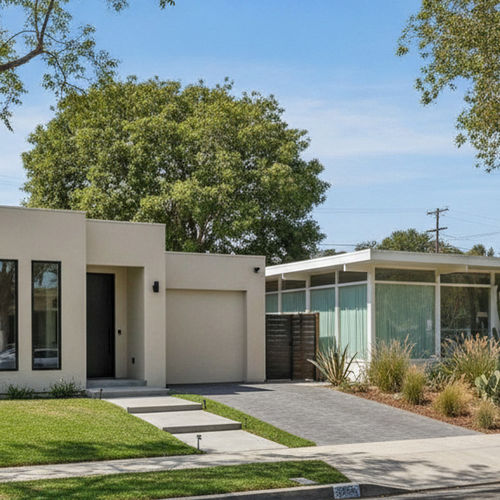


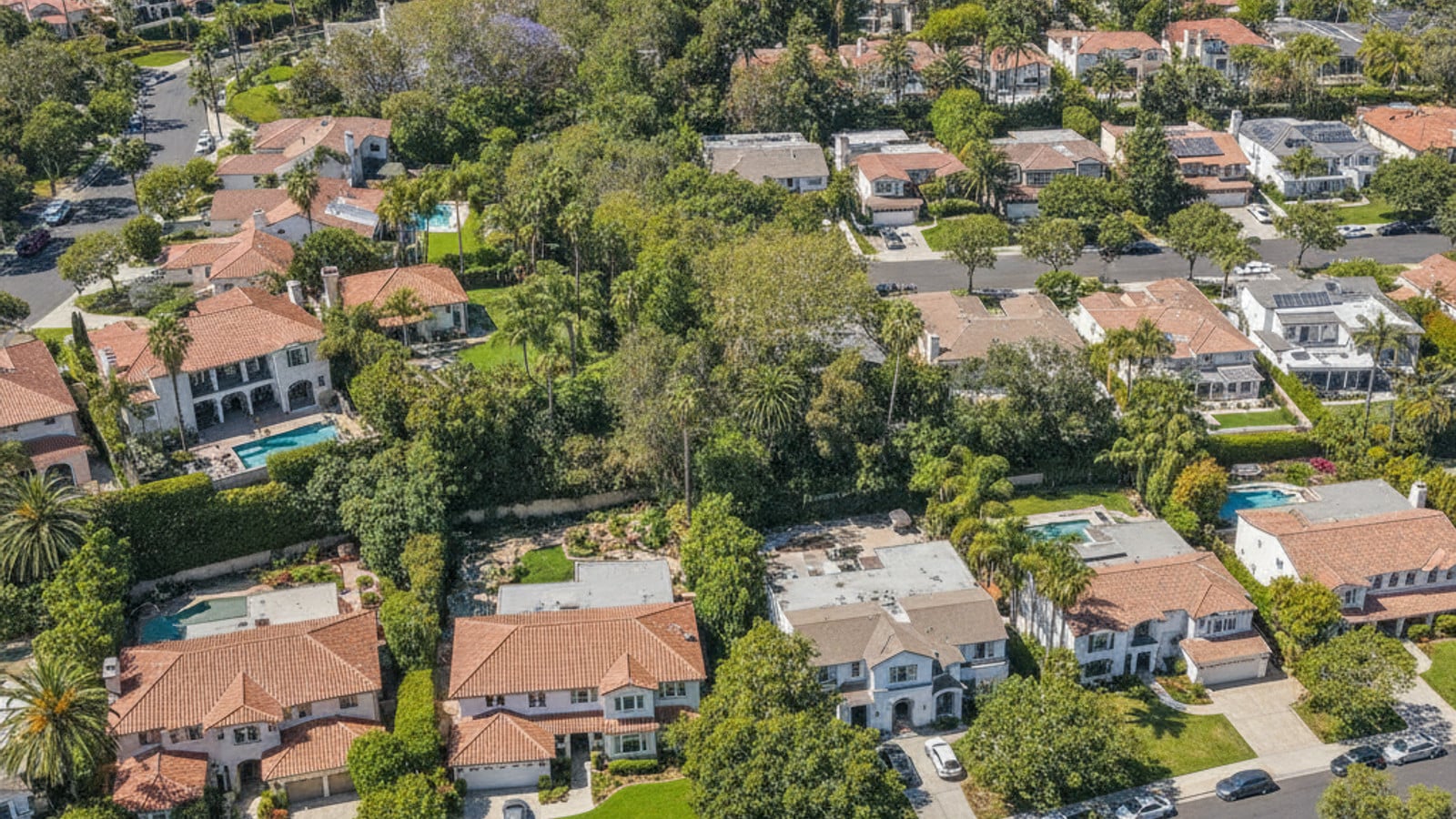
The median sale price for a home in El Segundo, CA right now is roughly $1,307,500. Inventory is sitting at about 36 available properties, which means both buyers and sellers are operating in a competitive South Bay market.
Getting the price right here isn't something an algorithm can do for you. Proximity to Silicon Beach and the specific inventory picture at any given moment have an outsized effect on what a property actually sells for - and those are details an automated estimate simply won't capture.
Current Real Estate Market Conditions in El Segundo, CA
Homes in El Segundo are going pending in a median of just 8 days, and about 75% of listings are selling above asking price. Those two numbers alone tell you a lot.
What makes it interesting is that the broader data sets show roughly nine months of supply - yet those days-on-market and sale-to-list figures don't reflect a slow market. Price it right and sellers have the upper hand. Price it wrong and you'll feel the silence quickly.
Evaluating Inventory and Demand
When you've only got a few dozen active properties in a city this size, buyers don't have much to choose from, and that scarcity tends to push final sale prices up. Inventory levels are probably the single most direct input into where you set your number.
The sale-to-list ratio tells you how that pressure is actually playing out at the closing table. El Segundo homes are currently closing at an average of 107% of list price - meaning the typical buyer is paying a premium, not negotiating one down.
Running Local Comparables in the South Bay
A Comparative Market Analysis pulls recent sales of homes with similar square footage, bedroom counts, and lot sizes that have closed within the last 90 days. That 90-day window matters because this market moves fast enough that older data starts losing relevance.
The median sale price per square foot across Los Angeles County runs around $588. El Segundo's specific neighborhoods routinely land at different figures depending on proximity to local amenities or major employment hubs, so county-level numbers are really just a starting point.
Effective Approaches for Sellers
With only 36 homes in active inventory, buyer attention is concentrated and the window to capture it is short. Sellers who come out of the gate priced accurately tend to see their properties go pending in roughly one week. Let that window close and the math changes.
The first 14 days are when you have the most leverage. After that, buyer interest drops off naturally - and a listing that's been sitting starts to carry questions it doesn't deserve.
Setting the Asking Price at Market Value
Pricing at fair market value puts your home directly in front of buyers who are already pre-approved for that number. It signals that you know what you have and you're not testing the market - and buyers respond to that with stronger, cleaner offers.
This approach tends to produce a final sale price very close to where you started. No drama, no reductions, no protracted back-and-forth.
Pricing Below Market to Encourage Multiple Offers
Listing 3% to 5% below appraised value is a deliberate move to pull in buyers who are searching in a lower price bracket. More eyes on the listing means more foot traffic, and more foot traffic in a tight market means competing bids.
Done right, that competition can push the final number well above what the seller originally expected. It's a calculated risk, but given that 75% of homes here are already selling above list, the conditions support it.
The Consequences of Overpricing Your Property
Buyers' agents track days on market, and a high number raises immediate suspicion about what's wrong with the house - even when nothing is. Pricing above recent comparable sales almost always leads to exactly that outcome.
You end up issuing price reductions, which create their own optics problem. A listing with multiple cuts frequently sells for less than it would have if it had been priced correctly on day one. The ceiling you were reaching for becomes the floor you settle for.
How Buyers Should Approach Offers
In a market where 75% of homes are selling above list price, showing up with just the asking number isn't a strategy. You need to know your absolute ceiling before you walk through a single door - not after you've already fallen for a place.
Work through your maximum budget with your lender before you start touring. That number tells you when to push and when to walk, and you'll need to make that call quickly.
Handling Multiple Offer Situations
When multiple buyers are competing, sellers will typically ask for highest and best. Your agent should walk you through recent closed sales so you're bidding against the data, not just emotion.
The highest dollar amount doesn't always win. Flexible closing dates and limited contingencies can move your offer to the top of the stack for a seller who wants a clean path to closing - and a lot of them do.
Writing an Escalation Clause
An escalation clause commits you to beating any competing offer by a set dollar increment, up to a specific maximum you define. It keeps you competitive without requiring you to guess what everyone else is doing.
One important piece: the seller must provide proof of a legitimate competing offer to trigger it. And if the final escalated price lands above the bank's appraisal, you'll need cash to cover that gap - so know your numbers before you agree to a ceiling.
How Appraisals Impact Final Sale Prices
A lender's appraisal is independent of what buyer and seller agree to pay. If a home is under contract for $1.4 million but appraises at $1.3 million, the lender will only finance against the lower number - full stop.
That gap has to go somewhere. Either the buyer brings cash to cover it, the seller comes down, or the deal falls apart. There's no fourth option.
Sellers reviewing offers that come in well above recent comparable sales should think about this carefully. A bid that far exceeds the comps isn't necessarily a strong offer - it's a strong offer conditional on the buyer being able to bridge a potential valuation shortfall. Those are different things.
Frequently Asked Questions
Should I price my El Segundo home below market value to spark a bidding war?
Yes, pricing slightly below market value can work well here. It pulls in buyers searching lower price brackets, generates competing offers, and - given that 75% of El Segundo homes are already selling above list price - often results in a higher final sale price than listing at full value would have produced.
How do hyper-local factors like LAX proximity or the refinery affect property pricing in El Segundo?
They matter a lot. Homes closer to LAX flight paths or industrial areas typically price lower than those situated deeper in residential neighborhoods. Exact street location isn't just a detail - it's a direct input into comparable value, and buyers and sellers both need to adjust their expectations accordingly.
What happens if I overprice my El Segundo house when it first hits the market?
It sits. The current median is 8 days on market, so anything beyond that starts to look like a problem even when it isn't one. Price reductions follow, buyers start wondering what you're hiding, and you frequently end up selling for less than you would have with a realistic price on day one.
How long should I wait before reducing the asking price if my property isn't getting offers?
If you have no showings or offers within the first 14 days, it's time to revisit the price. With a median of 8 days on market in El Segundo, no early activity isn't a fluke - it's the market telling you something about your number.
Are pricing strategies different for single-family homes versus townhomes in El Segundo?
Yes. Townhomes draw a different buyer pool and carry monthly HOA dues that factor into the overall valuation. You should only use recent townhome sales to price a townhome - mixing in single-family comparables will give you a distorted picture.
Can I rely on online automated valuations like Zillow to set my initial asking price in El Segundo?
No. Automated valuation models can't account for hyper-local nuances or your home's specific condition, and they're slow to reflect sudden market shifts - like the current 107% sale-to-list ratio in El Segundo. A Comparative Market Analysis from a local professional gives you a baseline that's actually grounded in what's happening right now.
Check out this article next