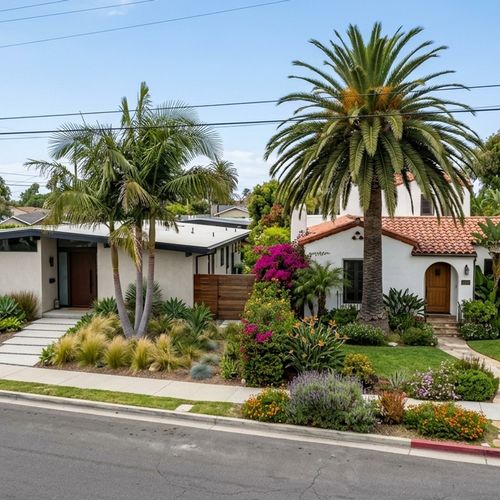


What to Expect When Selling a House in a Trust in El Segundo, CA (2026 Guide)
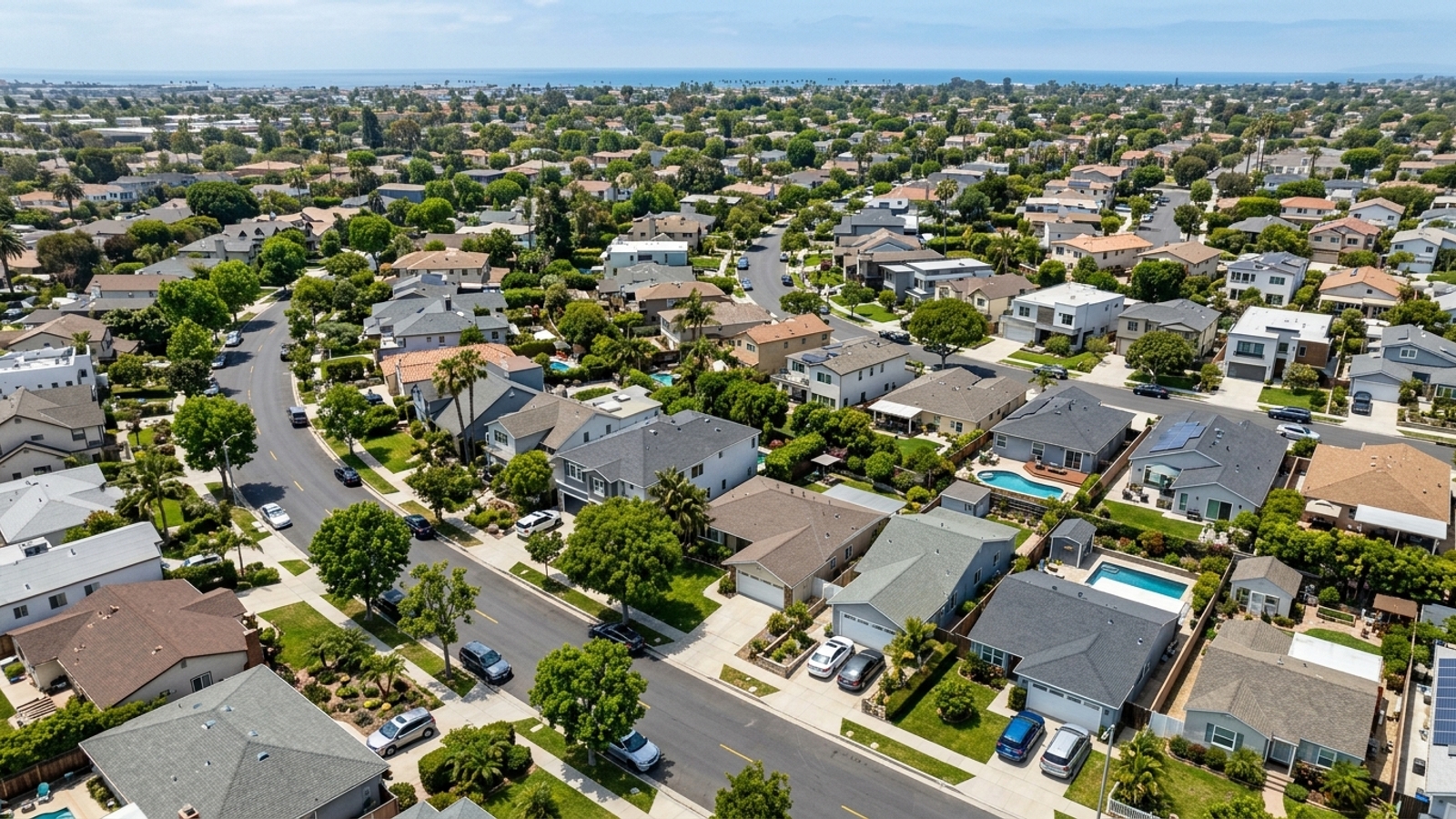
The median sale price for homes for sale in El Segundo, CA is currently around $1,307,500. Homes here are moving fast - roughly 8 days on the market and often selling for 7% over list price. That's the context you're working in.
When a family member passes away or moves into an assisted care facility, their property might be held in a trust. Selling that property isn't like a standard transaction. Trustees have fiduciary duties to manage, Los Angeles County paperwork to clear, and beneficiaries waiting on the other end before any funds can change hands.
How Trusts Hold Real Estate in Los Angeles County
Trusts are legal entities created to hold assets, and California families use them specifically to avoid the lengthy, public probate process. When a property is placed in a trust, the trust itself is the owner - not the individual who created it.
The person who creates the trust is called the grantor or settlor. They set out exactly how their assets should be managed and distributed. When the grantor passes away or can no longer manage their affairs, a successor trustee steps in. That trustee carries a fiduciary duty to act in the best financial interest of the beneficiaries - which means no selling the house to a friend at a steep discount, no ignoring market value. They follow the trust document and state law, full stop.
Differences Between Trust Types
Most families use a revocable living trust, which lets the grantor change the terms or sell the property while they're alive. Once the grantor passes away, that trust typically becomes irrevocable - the terms are locked in and can't be easily changed.
If the property was placed in an irrevocable trust from the start, the grantor gave up control of the asset at that point. Selling from an irrevocable trust usually means closer coordination with tax professionals, because the tax liabilities and distribution rules differ from those of a revocable trust.
Duties of the Trustee and Rights of Beneficiaries
The trustee is the only person authorized to sign the listing agreement, negotiate offers, and execute the closing documents. Beneficiaries don't have the legal authority to sell the house - even if they're the ones receiving the proceeds.
That said, beneficiaries have the right to be kept informed. Listing price, offers received, expected closing timelines - the trustee should be providing regular updates. Transparency keeps misunderstandings from derailing what's already a complicated process.
The Process of Selling a Trust Property
Selling a California home held in a living trust typically takes 60 to 120 days from the date of death to the close of escrow. That window covers trust administration setup, property preparation, marketing, and the escrow period itself.
The setup phase usually runs two to six weeks, while the trustee gathers the necessary legal documents. Once the home is listed, marketing and offer acceptance in El Segundo tends to move quickly - often wrapping up in three to five weeks. Escrow for trust properties in Los Angeles County typically closes in 32 to 38 days for financed buyers, provided both sides stay responsive.
Confirming the Authority to Sell
Before the home is listed, the trustee needs to review the trust document and confirm they have the explicit power to sell real estate. The California Probate Code provides general powers for the sale and conveyance of property, but the trust agreement itself can limit those powers.
A title company will require a Certification of Trust to verify that authority. This document proves the trustee has the legal right to list the property and spells out exactly how they must sign the closing paperwork.
Pricing the Home for the Market
Fulfilling the fiduciary duty means establishing fair market value - typically through a professional appraisal or a comparative market analysis from a local real estate agent.
With El Segundo homes currently selling for about 107% of list price, getting the pricing right matters. An accurate initial valuation protects the trustee from any later claim that they sold for less than the property was worth.
Working With Local Professionals
The trustee should hire a real estate agent who understands the specific disclosures and timelines that come with trust sales in California. The agent handles marketing, coordinates showings, and manages the specialized paperwork the transaction requires.
Beyond the agent, the trustee works closely with an escrow officer and a title company. Their job is to confirm the title is clear and that all Los Angeles County recording requirements are satisfied before the final deed transfers to the buyer.
Taxes and Fees on Trust Sales
California taxes capital gains as ordinary income, with rates in 2026 ranging from 1% on income up to $11,079 to 13.3% on income over $1,000,000. Unlike the federal government, the state draws no distinction between short-term and long-term capital gains.
Trust sales also carry specific county-level fees. Los Angeles County charges a base recording fee of $15, a Building Homes and Jobs Act Fee of $75, and a District Attorney Fraud Fee of $10 per document. A Real Estate Fraud Notification Fee of $7 applies specifically to grant deeds.
Add those up and recording a simple one-page grant deed runs about $100. Multi-page documents cost more, at $3 for each additional page.
Capital Gains and the Step-Up in Basis
When a property is inherited through a revocable trust after the grantor's death, it usually receives a step-up in basis. The home's value for tax purposes resets to its fair market value on the date of the grantor's death - not what the grantor originally paid for it.
If the trustee sells the home shortly after the grantor passes away, the sale price will likely be very close to that stepped-up basis. The result: little to no federal or state capital gains tax on the transaction.
County Fees and Distributing Proceeds
Sellers in Los Angeles County pay a Documentary Transfer Tax of $1.10 per $1,000 of the property's sale value. On a $1,300,000 sale in El Segundo, that's $1,430.
El Segundo doesn't impose an additional city-level transfer tax. Special city transfer rates only apply to Los Angeles, Culver City, Pomona, Redondo Beach, and Santa Monica.
After all taxes, recording fees, and closing costs are settled, the trustee distributes the remaining proceeds to the beneficiaries - in the exact percentages or according to the exact instructions the trust document lays out. There's no flexibility there.
Common Roadblocks During the Sale
Title-specific issues on trust properties can take 7 to 30 days to resolve, depending on their complexity. Getting ahead of them early is the only way to keep escrow on track.
Title companies pull the full chain of title to confirm the trust's ownership and flag any outstanding liens or judgments. If the property was never properly transferred into the trust, the trustee may need to go through probate court to correct that before the sale can move forward. Once the title is clear, the title company issues insurance to the buyer, protecting them against future claims. The deed vesting typically reads something like, "John A. Smith and Mary B. Smith, Co-Trustees of the Smith Family Living Trust, dated March 15, 2008."
Providing the Certification of Trust
The most frequent delay in a trust sale is missing or incomplete documentation. The title company won't insure the transaction without a properly executed Certification of Trust.
Have an attorney prepare this document as soon as the trustee takes over the estate. Getting it to the title company early lets them verify authority and clear the title before a buyer ever makes an offer.
Resolving Beneficiary Disagreements
Siblings might disagree on the listing price, whether to renovate, or how quickly to put the home on the market. The trustee has the final legal authority to make those calls - but ignoring beneficiary input entirely tends to create friction, and sometimes legal challenges.
The practical approach: communicate openly, use professional appraisals to back up the listing price, and document every financial decision. That paper trail protects the trustee if anyone decides to push back later.
Frequently Asked Questions
Do I need Los Angeles County probate court approval to sell a house held in a trust in El Segundo?
No, you generally don't. Avoiding probate is one of the main reasons people use a trust in the first place. The successor trustee can sell the property directly - the title company will simply require a Certification of Trust to verify your authority.
Are trust sales exempt from El Segundo's city transfer taxes and mandatory presale inspection reports?
El Segundo doesn't have a city-level documentary transfer tax at all, so neither trust sales nor standard sales pay one. You'll still owe the Los Angeles County Documentary Transfer Tax, which is $1.10 per $1,000 of the sale value.
Will the trust have to pay capital gains taxes when selling an inherited family home in El Segundo?
It depends on the type of trust and the timing of the sale. If the home was in a revocable trust and receives a step-up in basis upon the grantor's death, selling it quickly usually results in little to no capital gains tax. California taxes any realized capital gains as ordinary income, with rates up to 13.3%.
How long does it typically take for a successor trustee to clear title and sell a property in El Segundo?
Selling a trust property in the Los Angeles area typically takes 60 to 120 days from the date of death to the close of escrow. If specific title issues come up, resolving them usually adds another 7 to 30 days to that timeline.
What happens if the beneficiaries disagree on whether to sell or keep the El Segundo trust property?
The trustee holds the legal authority to make the final decision based on the instructions in the trust document. If the trust mandates selling the asset and distributing the funds, the trustee must proceed with the sale regardless of what the beneficiaries prefer.
Is it better for a trustee to sell an older El Segundo home as-is or renovate it before listing?
It depends on the condition of the home and what funds the trust has available. With El Segundo homes currently spending about 8 days on the market and often selling above list price, major renovations may not be necessary to get a strong offer. The trustee should consult a local real estate agent to figure out the most profitable path forward.
Check out this article next