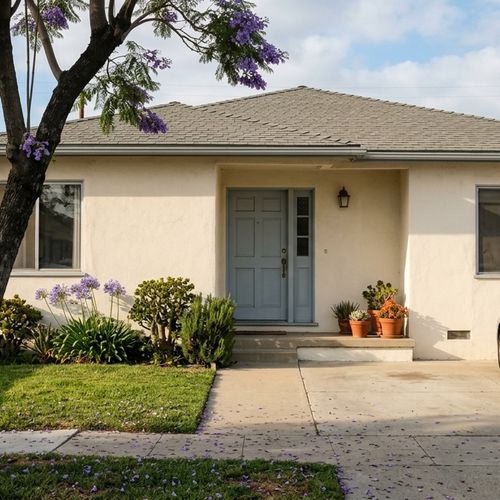


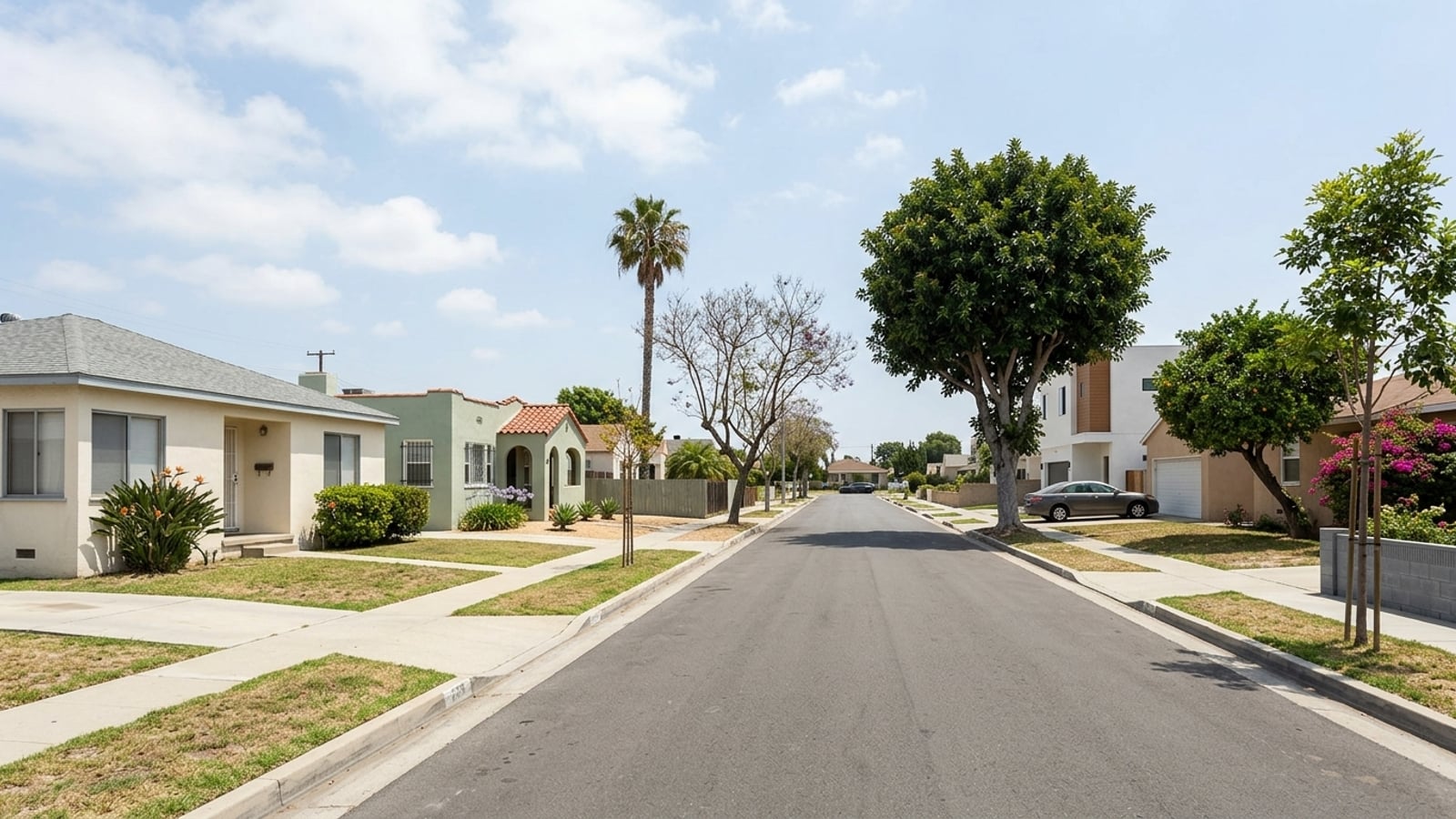
The median home price in Hawthorne, CA sits around $864,000 right now, and homes typically spend about 49 days on the market. Those are the standard numbers - but when you're the executor of an estate, nothing about this sale is standard. You're not just hiring a probate real estate agent in Hawthorne, CA to coordinate with a buyer and a title company. You're working inside a court system with its own timeline, its own rules, and very little tolerance for shortcuts.
The probate process controls how and when a deceased person's assets get distributed to heirs. Real estate is almost always the biggest piece of that puzzle. Before any money reaches anyone, you'll need to coordinate with the Los Angeles County court system, keep the property maintained, and clear the estate's debts. In that order.
How Probate Real Estate Works in Los Angeles County
Probate matters for Hawthorne properties go through the Probate Division of the Superior Court of California, County of Los Angeles. Most filings land at the Stanley Mosk Courthouse at 111 N. Hill Street in downtown Los Angeles. A limited number of cases are also handled at the Michael D. Antonovich Antelope Valley Courthouse in Lancaster.
You can't list the house until you have official legal authority to act on the estate's behalf. The court grants that authority through specific documents - and without them, you can't sign a listing agreement or touch estate funds.
What a Probate Sale Means for the Executor
A probate sale happens when a homeowner dies without a trust or joint ownership arrangement that would automatically transfer the property. The court steps in to oversee the settlement. As the executor, you're responsible for securing the property, maintaining it, and converting it to cash - all while acting in the best financial interest of the estate and its heirs. That's not a suggestion; it's a legal obligation.
Securing Letters Testamentary or Administration
To earn the legal right to sell the home, you'll petition the court for either Letters Testamentary or Letters of Administration. If the deceased left a valid will naming you as executor, the court issues Letters Testamentary. If the homeowner died intestate - without a will - the court appoints a representative and issues Letters of Administration instead. Once you have those documents, you can legally hire a real estate agent and start the process of valuing the home.
Steps to List and Sell a Hawthorne Probate Property
A typical California probate case runs 12 to 18 months from initial filing to final distribution. A big reason for that is the mandatory four-month creditor claims period under Probate Code Section 9100 - it can't be waived or compressed. Simple, uncontested estates can sometimes wrap up in 9 to 12 months. Contested estates, or those tangled up in property disputes, business interests, or tax complications, can stretch to two to four years.
Petitioning the Court and Valuing the Home
Month one starts with filing the Petition for Probate - Form DE-111 - with a court hearing typically set 30 to 45 days out. Months two and three involve notifying creditors under Probate Code §9050, which triggers that mandatory four-month claims window.
While that clock runs, the property has to be appraised by a Probate Referee appointed by the court. That appraisal sets the fair market value of the home, and it also sets the floor - the estate cannot legally accept less than that figure.
The Court Confirmation and Overbid Process
In Los Angeles County, if you don't have full authority under the Independent Administration of Estates Act (IAEA), the court has to confirm the sale before it closes. Confirmation hearings are typically scheduled 30 to 45 days after the petition is filed, though court backlogs can push that to 10 weeks or more.
Here's where probate sales get interesting. At the confirmation hearing, any member of the public can walk in and orally overbid your accepted offer. California Probate Code §10311 sets the minimum first overbid at the original bid plus 10% of the first $10,000, plus 5% of the remaining amount. On an original bid of $500,000, that means the first competing bid must come in at no less than $525,500. The winning overbidder has to execute the bid in writing and present a 10% deposit - typically a cashier's check - which is non-refundable once the court confirms the sale.
Handling Repairs, Belongings, and Disclosures
Under California Civil Code §1102.2, executors are exempt from providing several standard real estate disclosure documents - the Transfer Disclosure Statement, the Seller's Property Questionnaire, the Natural Hazard Disclosure, the Earthquake Hazard Questionnaire, and the Smoke Detector Compliance documentation. The exemption exists because you're often not the former occupant and can't complete those forms in good faith.
That said, you're not off the hook entirely. You must still complete an Exempt Seller Disclosure form and provide a federally mandated lead-based paint disclosure for any home built before 1978.
Managing Inherited Belongings
Before the home goes on the market, the personal property needs to go. Heirs should pull out anything they want to keep, and the rest gets sold, donated, or disposed of. Estate funds can cover professional clean-out crews or estate liquidators if needed. An empty house is simply easier to show and easier to evaluate for any structural issues that may need addressing.
Deciding Whether to Make Repairs
Hawthorne currently has about 61 homes on the market, and buyers looking at properties around the $864,000 median often expect move-in ready conditions. That said, probate properties are frequently sold strictly as-is to investors or cash buyers - and there's nothing wrong with that approach.
You can use estate funds to make minor cosmetic updates if the court allows it. Major renovations are a different story. You'll want to weigh the cost of any work against what it's likely to add to the sale price, keeping in mind that the estate's primary goal is a clean, legal liquidation - not a renovation project.
Managing Taxes, Debts, and Estate Funds
When a Hawthorne probate property sells, the proceeds don't go straight to the heirs. They go into a dedicated estate bank account managed by the executor. Those funds stay there until the court approves the final distribution.
Before anyone inherits a dollar, you have to use that money to settle the deceased's remaining financial obligations.
Capital Gains and the Stepped-Up Basis
Inherited real estate generally benefits from a stepped-up tax basis, which means the property's value for tax purposes resets to its fair market value on the date of the owner's death - not what they originally paid for it. If the home sells shortly after the owner's death at a price close to the appraised value, the estate typically owes little to no capital gains tax. You should still work with a tax professional to make sure all IRS requirements are met during the sale.
Paying Off Estate Creditors
The mandatory four-month creditor claims window gives anyone the deceased owed money - mortgage lenders, credit card companies, medical providers - a chance to file a claim against the estate. All validated claims have to be paid from the estate's liquid assets, which often means the home sale proceeds. Only after debts, taxes, and court fees are cleared can you distribute what's left to the beneficiaries under the will or state law.
Frequently Asked Questions
Can I sell a house before probate is granted in California?
No. You cannot legally sell a deceased person's property until the court grants you authority. You need Letters Testamentary or Letters of Administration in hand before you can sign a listing agreement or accept an offer.
How long does the probate process take in Los Angeles County?
A typical California probate case takes 12 to 18 months from the initial filing to final distribution. Simple estates can sometimes close in 9 to 12 months. Contested estates or those with complications can stretch to two to four years.
Do I need to empty the house before selling it in probate?
Yes. All personal belongings should be removed before closing. Heirs should claim what they want, and you can use estate funds to hire clean-out crews for whatever remains.
Do I need court approval to accept a buyer's offer on a probate property in Hawthorne?
It depends on your level of authority. If you don't have full authority under the Independent Administration of Estates Act, the sale must be confirmed by the probate court at a hearing where public overbidding is allowed.
Who pays the mortgage and property taxes while a Hawthorne house goes through probate?
The estate covers all ongoing property expenses during the probate process. That means using estate funds to pay the mortgage, property taxes, and utility bills until the home sells.
Should I make repairs to an inherited Hawthorne home or sell it strictly as-is?
Base the decision on the estate's available funds and the home's condition. Many probate properties sell as-is to keep costs down, though minor clean-up can sometimes improve the final sale price.
Check out this article next