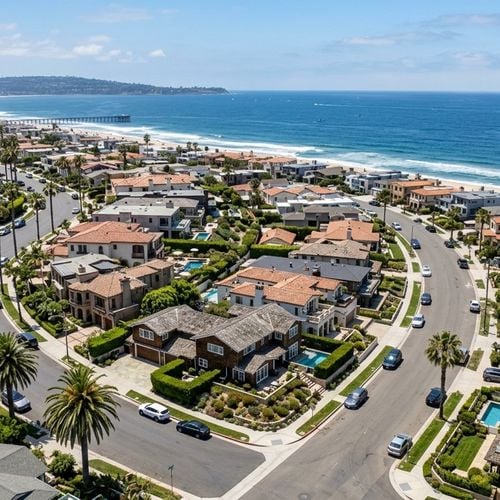


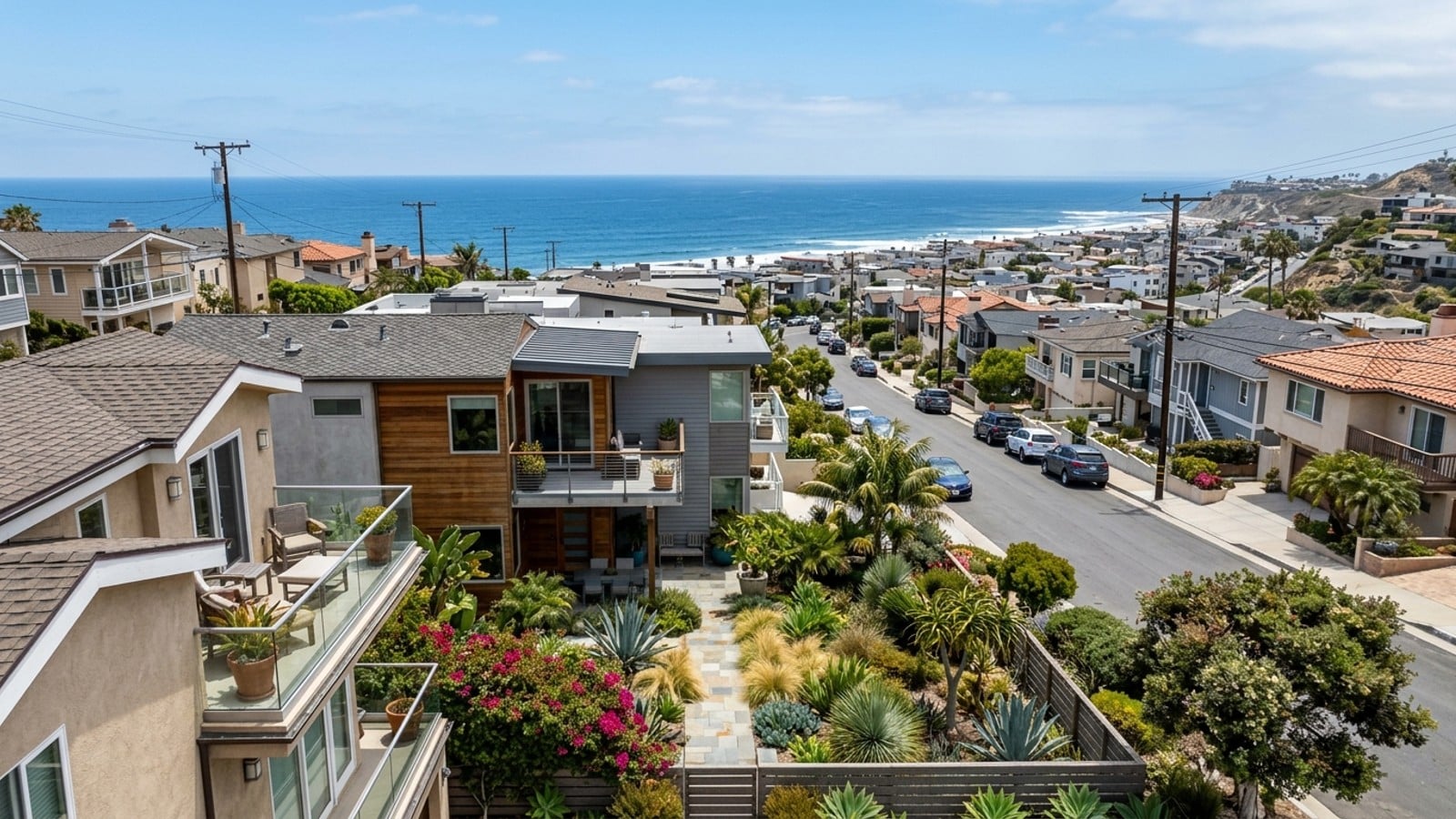
By mid-2026, the median sale price for a home in Hermosa Beach, CA had reached roughly $2,648,000. That number stops a lot of people cold - and it should. Buyers looking at the Los Angeles County coast weigh that premium against what they're actually getting: ocean access, a walkable downtown, and commute times that are genuinely better than most of the region can offer.
Whether Hermosa Beach makes sense for you comes down to housing costs, daily traffic patterns, and what you value in a neighborhood. Here's an honest look at both sides.
What to Expect When Moving to Hermosa Beach
Hermosa Beach is a specific kind of place - small, dense, and coastal, with a commercial district that pulls everything toward the water. You're not getting a sprawling suburban layout here. What you're getting is immediate beach access and a downtown you can actually walk to.
The market reflects that. As of summer 2026, available homes were sitting for a median of just 23 days before going under contract, with only about 59 active listings on the market at any given time. That's tight inventory by any standard. If you see something you like, you don't have the luxury of sitting on it.
The Main Benefits of the Area
The coastal access is the obvious one - year-round outdoor recreation along the water, a walkable downtown with dining and retail within reach, and a climate that makes it genuinely usable. That's not nothing, especially if you're coming from somewhere inland.
The commute situation is better than most people expect. Access to major employment hubs in Silicon Beach and downtown Los Angeles makes the daily drive manageable for a lot of professionals, particularly compared to other parts of Los Angeles County.
Common Drawbacks to Consider
The cost of entry is the real story. With a median property value of $2 million according to 2024 Census data, you're talking about a serious capital commitment before you even start factoring in coastal maintenance costs.
Traffic and parking are a daily negotiation, not a seasonal inconvenience. Summer is worse - visitors arrive for beach access and the lots fill fast - but the dense layout means street parking is limited year-round, and weekends test your patience regardless of the time of year.
Hermosa Beach Location and Geography
Hermosa Beach sits in the South Bay region of Los Angeles County, bordered by Manhattan Beach and Redondo Beach, on a small footprint along the Pacific coast. There isn't much room to build out, and that's by design at this point.
That limited footprint is exactly why inventory stays low and demand stays high. The city concentrates its commercial activity along the central corridors near the water, which means almost everything worth walking to is in the same general direction.
Proximity to Los Angeles
The city sits southwest of downtown Los Angeles, with direct routes to the broader metro area via local roadways and freeways. The distance is workable. The afternoon traffic is not always workable - drive times during peak commuting hours extend routinely, and you'll need to build that into your day.
For frequent travelers and professionals who need to move around the region, the location provides real convenience. Just don't assume that short distance translates to short drive times.
Population and Growth Trends
The Census Bureau's 2024 American Community Survey puts Hermosa Beach's population at 19,063 residents, with a median age of 42.7 years. About 30% of residents fall between 25 and 44, and 32% are between 45 and 64.
The trend line is worth noting. Projections for 2026 estimate a population of around 18,199, reflecting an annual decrease of about 1.32%. The city is getting slightly smaller, not larger.
Hermosa Beach Crime Statistics and Data
The FBI releases Uniform Crime Report data annually, with 2024 calendar year figures published in late 2025. Based on those figures, aggregators like AreaVibes report that Hermosa Beach's overall crime rate runs roughly 34.5% higher than the national average - a number that includes both property crimes and violent crimes.
That statistic warrants some context before you let it drive a decision.
Understanding the Local Crime Rate
In coastal tourist destinations, property crime typically makes up the largest share of reported incidents. High visitor volume - people coming for beach access and nightlife - tends to concentrate calls for service around commercial zones. Bicycle theft and car break-ins in those areas can push the overall numbers up considerably.
The raw rate matters less than understanding what's actually driving it. Look at the type of offenses before drawing conclusions about any specific street.
How to Research Local Crime Reports
The Hermosa Beach Police Department and the Los Angeles County Sheriff both maintain public tools that show where specific incidents occur. That's where you should be looking - not at third-party neighborhood grades, which flatten a lot of nuance into a single letter or score.
If you're serious about a property on a particular street, pull the incident data for that area specifically. It takes a few extra minutes and gives you a much clearer picture than any aggregator will.
Cost of Living and Housing Prices
The Economic Research Institute places Hermosa Beach's cost of living at 87% above the U.S. average, and housing is doing most of that work. But it's not only housing - groceries, utilities, and transportation all run higher here than in inland communities across Los Angeles County.
This is what it costs to live on the coast in Southern California. The number is the number.
Current Home Prices and Rent
As of mid-2026, homes in Hermosa Beach were selling for a median price of roughly $2.64 million, up 5.1% from the previous year. The rental market isn't offering relief - average rent runs around $3,030 per month, which sits roughly 85% higher than the national average. The barrier to entry is high whether you're buying or renting.
Income Needed to Afford the Area
The median household income in Hermosa Beach is $166,442, according to recent Census estimates. The Economic Policy Institute's data suggests a family of four would need to earn about $134,900 annually to live comfortably here. For renters, the math is equally direct: following the standard guideline of spending no more than 30% of gross income on housing, you'd need an annual salary of roughly $121,200 to cover the average monthly rent without strain.
Those are real thresholds. Worth knowing before you fall in love with a listing.
Comparing Hermosa Beach to Nearby Cities
Buyers focused on the South Bay almost always compare Hermosa Beach to Manhattan Beach and Redondo Beach. All three have coastal access. The differences are in price point, housing inventory, and the scale of their commercial districts.
Hermosa Beach sits in the middle on median home price. Manhattan Beach typically runs higher. Redondo Beach offers more varied housing types - a larger inventory of townhomes and condominiums, which gives buyers more options at different price points.
Hermosa Beach vs. Los Angeles
The tradeoff between Hermosa Beach and the city of Los Angeles is essentially coastal proximity versus urban range. Los Angeles gives you more housing options, more varied price points, and direct access to major cultural institutions. Hermosa Beach gives you a smaller, denser coastal environment and less freeway dependency for daily errands.
If your job is downtown and you're moving from central Los Angeles, be clear-eyed about what the South Bay commute looks like in practice. The beach is worth a lot. A two-hour round trip every day is a different calculation.
Frequently Asked Questions
Is the cost of living in Hermosa Beach, CA much higher than neighboring Redondo Beach?
It depends on the housing type, but generally yes. The median home price in Hermosa Beach sits around $2.64 million, and the overall cost of living runs 87% above the national average. Redondo Beach typically offers more varied housing inventory at slightly lower price points.
How bad is the parking and summer tourist traffic for local Hermosa Beach residents?
It's a real daily consideration, not just a summer inconvenience. Visitor traffic during summer months makes it worse - the dense layout limits street parking, and public lots fill up quickly on weekends. Residents without dedicated off-street parking often end up walking farther than they'd like.
Is Hermosa Beach geared toward households with children, or does the city cater more to a young, nightlife crowd?
The city has amenities that serve a range of residents - a paved coastal strand, local parks, and a concentrated dining district. That same commercial area hosts numerous bars and restaurants that draw a large evening crowd. How that affects you depends on where your potential home sits relative to those zones.
What is the daily commute like for professionals traveling from Hermosa Beach to downtown LA or Silicon Beach?
The distance is manageable. The traffic is not always manageable. Commuting to downtown Los Angeles or Silicon Beach means driving through heavy congestion on local freeways, and afternoon delays extend drive times routinely. Most residents factor that into their daily schedule from day one.
Do homes in Hermosa Beach require expensive special maintenance due to the ocean air and salt?
Yes. Salt air and marine moisture accelerate wear on exterior paint, metal fixtures, and HVAC systems faster than you'd see in an inland home. Budget for that ongoing maintenance cost as a real line item, not an occasional expense.
What are the main differences between buying a house in Hermosa Beach versus Manhattan Beach?
Manhattan Beach generally carries higher median home prices. Hermosa Beach has a denser layout and a median sale price around $2.64 million. Both provide immediate beach access, but their commercial districts and housing inventories differ in scale.
Check out this article next